St. Joseph's Indian School Dreamcatcher Charity Gift Collection
📸 Click any thumbnail to inspect Front, Back & Angles (6 Photos)
As an eBay Partner, we may earn a commission if you make a purchase.
Item Specifications
- Era: c. 2000s
- Organization: St. Josephs Indian School
- Location: Chamberlain, South Dakota
- Tribe Connection: Lakota (Sioux)
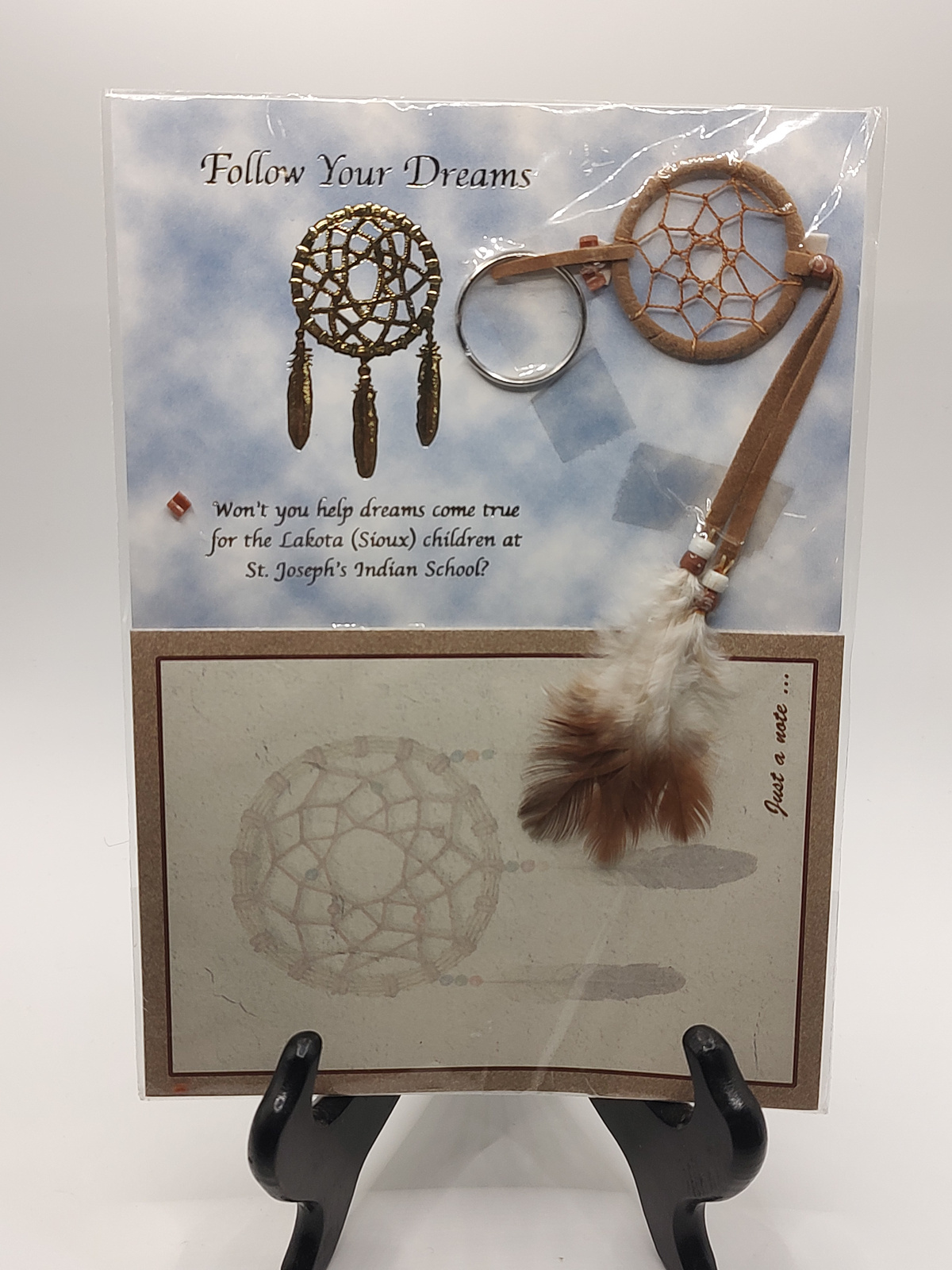
- Items Included: Keychain, Lapel Pin, Pen, Dreamcatcher, Notepad
- Theme: Native American Charity Keepsakes & Ephemera
- Category: Estate Oddities & Curios
- Format / Type: Cultural & Historical Artifacts
Looking for Modern Alternatives?
Explore top-rated, modern Estate Oddities & Curios and related historical accessories on Amazon.
Shop Estate Oddities & Curios on Amazon →As an Amazon Associate, we earn from qualifying purchases.
Historical Context & Overview
For nearly a century, non-profit institutions across the United States have relied on direct-mail outreach to raise awareness and support for specialized educational programs. Among the most recognizable non-profit outreach materials of the late 20th and early 21st centuries are the donor appreciation packages distributed by St. Joseph’s Indian School, located along the Missouri River in Chamberlain, South Dakota. Established in 1927 by the Priests of the Sacred Heart, the residential facility was founded to serve Native American children, particularly from the Lakota (Sioux) nations of the Great Plains.
The Tradition of Direct-Mail Ephemera and Donor Gifts
During the late 1990s and 2000s, charitable organizations increasingly incorporated small, tangible keepsakes into their mailings to share cultural narratives with supporters. St. Joseph’s Indian School routinely sent packages containing stationery, lapel pins, keychains, and decorative items centered around traditional Great Plains motifs. These items served a dual purpose: providing useful everyday tools like writing pads and pens while offering brief educational commentary regarding Lakota heritage and spiritual symbolism.
Among these items, pieces highlighting the dreamcatcher became central to the school's outreach campaigns. The reverse side of cards in these sets frequently featured printed descriptions detailing the origin and legend of the dreamcatcher, explaining how woven webs were traditionally hung near sleeping areas or cradleboards to capture negative thoughts while allowing positive dreams to filter through the center aperture.
Collection Breakdown and Craftsmanship
Multi-Piece Keepsake Ensemble
This original charity gift set includes an assortment of themed promotional materials preserved in their original sealed protective packaging. The set highlights several distinct items designed around classic Lakota iconography:
- Dreamcatcher Lapel Pin: A detailed metallic pin fashioned in the likeness of a traditional webbed dreamcatcher with suspended feather charms.
- Dreamcatcher Keychain: A compact faux-suede wrapped ring featuring woven netting, wooden accents, and natural feathered drops attached to a standard split key ring.
- Feather-Patterned Pen & Notepad: A decorative twist-action ballpoint pen adorned with stylized feather motifs, paired with a tear-off notepad labeled with inspirational phrases.
- Full-Sized Hanging Dreamcatcher: A larger hoop web featuring faux-leather wrapping, bead accents, and natural plumage mounted on display backing.
Historical Value for Pop Culture and Ephemera Collectors
Today, vintage direct-mail premiums and non-profit gift sets represent an intriguing sub-genre of American ephemera collecting. Unopened sets from the 80th-anniversary period (circa 2007) capture a specific era in modern charitable fundraising and cultural representation. For collectors of Native American-themed pop culture artifacts, institutional history, or vintage office supplies, this preserved gift set offers an authentic glimpse into early 2000s direct-mail traditions.