1941 Colorado Mountain Cliffside House Photo Snapshot Denver
📸 Click any thumbnail to inspect Front, Back & Angles (2 Photos)
🔗 Embed / Cite This Archival Image (Free with Attribution)Get HTML Code
© USA RESELL. Bloggers, historians, and website owners may embed this image for free by copying the HTML code below (which includes the required credit link back to this page):
USA RESELL is a living historical archive. Because original artifacts are one-of-a-kind and source records change rapidly, use the button above to check live marketplace availability or locate surviving examples. As an eBay Partner, we may earn a commission on qualifying purchases.
Item Specifications
- City: Denver
- State: Colorado
- Country: United States
- Era: 1940s
- Subject: Architecture Mountain Home Cliffside House
- Theme: Americana Architecture
- Category: Vintage Photography
- Format / Type: Snapshots
Historical Context & Overview
1940s Colorado Mountain Architectural Photography
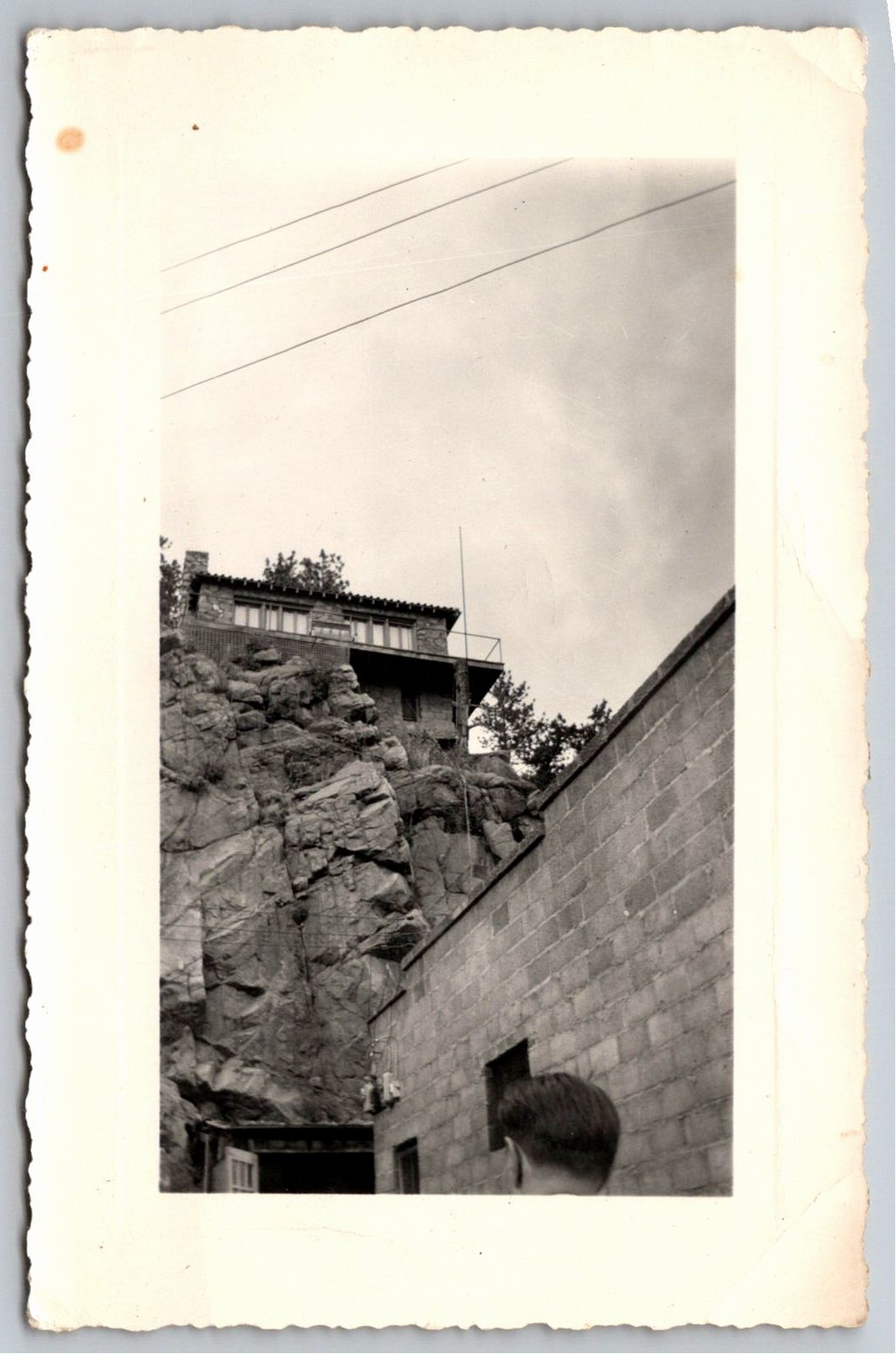
Captured in the summer of 1941, this original color photo snapshot documents a remarkable piece of regional American architecture perched precariously on a steep rock cliff in the Colorado mountains. The dramatic composition emphasizes the structural ingenuity required to build mid-century residential dwellings directly into rugged granite rock faces. A stone and timber home sits high above the observer, while a secondary stone wall and utility lines frame the lower foreground, capturing a moment of vernacular engineering before World War II transformed American domestic development.
The image offers a fascinating glimpse into pre-war tourism and mountain life in the Rocky Mountain region. Travelers driving along winding high-altitude roads frequently documented unusual structural sights, celebrating the bold ambition of builders who integrated natural stone formations into modern summer retreats. The vertical perspective underscores both the scale of the natural cliff face and the human effort required to construct a multi-level dwelling in such challenging topography.
Denver Studio Provenance & Historical Annotations
The back of this vintage photo snapshot features an authentic red ink studio stamp from "MILE HIGH PRINTS" located in Denver, Colorado, complete with a processing date of July 11, 1941. Denver served as the primary processing hub for mid-century tourists and local photographers exploring the nearby Front Range and central Rockies. Photofinishing labs like Mile High Prints provided rapid developing services for travelers documenting their scenic automobile trips.
Adding personal provenance to the artifact, the reverse side bears handwritten fountain pen notes from the original photographer: "I thought this was an unusual summer home up in the mountains." This candid inscription captures the spontaneous curiosity that defined vernacular snapshot culture of the era, recording an everyday traveler's impression of unique regional construction methods during the summer of 1941.
Physical Print Characteristics & Collector Significance
This original snapshot measures approximately 5.1 by 3.3 inches and is printed on classic mid-century matte photo paper stock. The print retains its distinctive period charm with decorative deckled (scalloped) edges, a stylistic framing choice widely popular in late 1930s and early 1940s consumer photofinishing. The physical artifact displays minor handling wear, gentle surface aging, and subtle edge toning consistent with an authentic 80-year-old paper ephemera item.
For collectors of Americana, mid-century architectural documentation, and Colorado regional history, this piece offers an authentic physical record of 1940s vernacular photography. Free from modern reproduction attributes, it stands as a genuine slice of Western American travel history, preserving a specific architectural curiosity nestled deep within the Rocky Mountains just months before America entered the Second World War.