Antique 1900s Navajo Weaver at Loom Arizona Fred Harvey Postcard
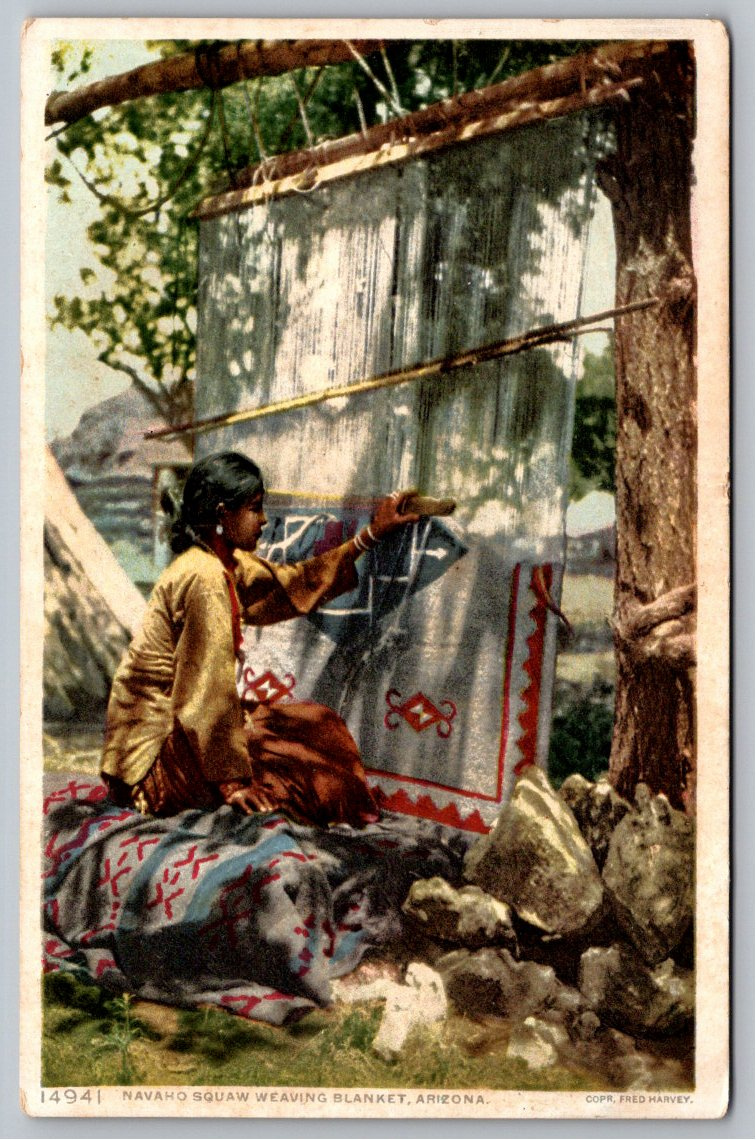
📸 Click any thumbnail to inspect Front, Back & Angles (2 Photos)
As an eBay Partner, we may earn a commission if you make a purchase.
Item Specifications
- Era: Early 1900s
- Publisher: Detroit Publishing Co.
- Distributor: Fred Harvey
- Printing Process: Phostint Lithograph
- Location: Arizona
- Subject: Navajo Weaver & Loom
- Category: Postcards & Ephemera
- Format / Type: Vintage Postcards
Looking for Modern Alternatives?
Explore top-rated, modern Postcards & Ephemera and related historical accessories on Amazon.
Shop Postcards & Ephemera on Amazon →As an Amazon Associate, we earn from qualifying purchases.
Historical Context & Overview
The Golden Age of Southwestern Tourism and Indigenous Artistry
At the turn of the twentieth century, the American Southwest underwent a dramatic cultural transformation. As the Atchison, Topeka and Santa Fe Railway expanded across desert landscapes, it carried thousands of eastern travelers eager to experience the vast vistas and Native cultures of Arizona and New Mexico. At the center of this burgeoning tourism industry was the Fred Harvey Company, an empire of hotels, dining rooms, and curio shops that introduced tourists to Southwestern Indigenous art, textiles, and pottery.
This authentic early 1900s postcard captures a Diné (Navajo) weaver working at a traditional vertical loom set up outdoors. During this historic era, Navajo weaving was undergoing a pivotal transition. As demand grew from traders and railroad tourists, weavers shifted from creating traditional wearing blankets to producing heavier, vividly patterned regional rugs. The image clearly illustrates the upright timber frame, hand-spun warp threads, and the intricate geometric patterns being woven with a wooden batten, demonstrating the meticulous craft passed down through generations.
The Technical Excellence of the Detroit Publishing Phostint Process
Beyond its rich subject matter, this postcard holds significant interest for ephemera collectors due to its manufacturing provenance. Produced by the legendary Detroit Publishing Company, the image was rendered using their patented "Phostint" color process. Introduced around 1900, Phostint photolithography combined sharp photographic prints with up to fifteen layers of hand-applied color tints. This specialized technique created a soft, warm, almost painterly tonal range that brought Southwestern imagery to life with unprecedented richness.
The reverse side displays the classic Fred Harvey brand insignia alongside educational commentary provided by the publisher. These informative captions were designed to educate early tourists on the history and skill of Southwestern tribes, comparing the art of Navajo textile production to that of historic Old World rug weavers.
A Treasured Document of Southwestern Ephemera
Today, early Fred Harvey Phostint postcards are highly sought after by collectors of Native American history, Southwestern rail memorabilia, and antique paper items. They represent a unique intersection of early industrial printing tech, luxury railway hospitality, and Native American art history. Whether added to an established postcard collection or displayed alongside period textiles, this original 1900s card stands as a fascinating historic record of Arizona's rich cultural heritage.