Vintage 1908 CPR Station Winnipeg Postcard by Valentine & Sons
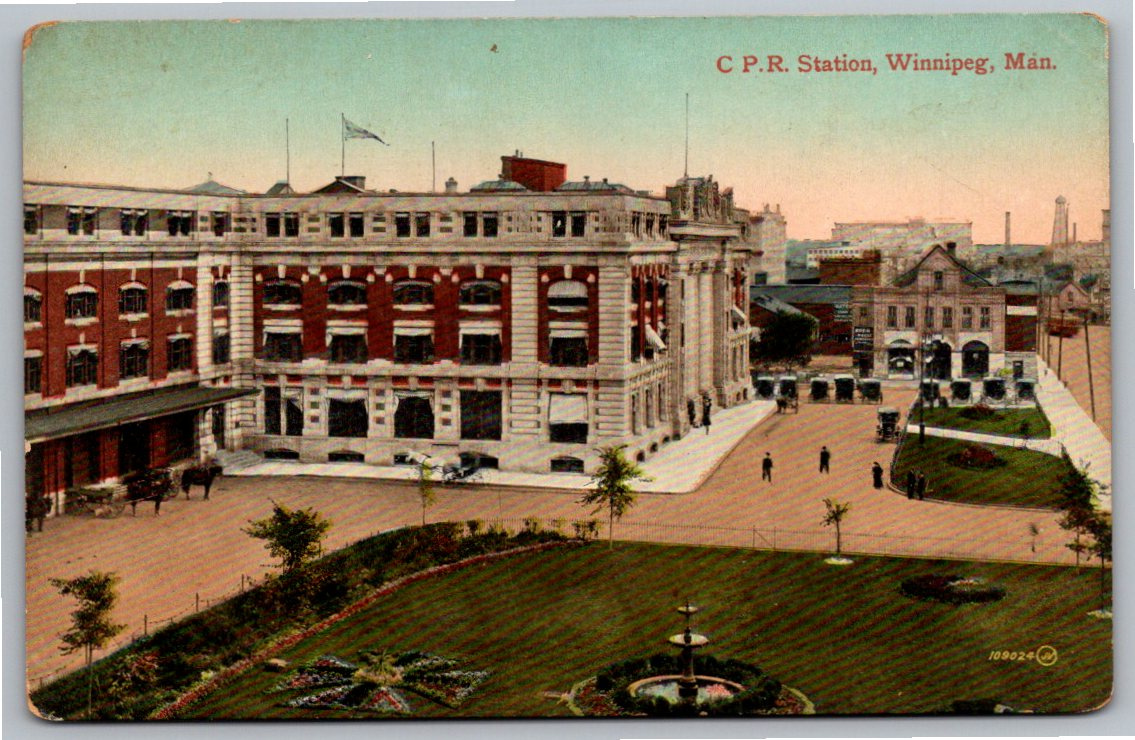
📸 Click any thumbnail to inspect Front, Back & Angles (2 Photos)
As an eBay Partner, we may earn a commission if you make a purchase.
Item Specifications
- Era: Divided Back (c. 1907-1915)
- Publisher: Valentine & Sons Publishing Co., Ltd.
- Location: Winnipeg, Manitoba, Canada
- Subject: Canadian Pacific Railway Station
- Originality: Original Vintage Postcard
- Production Place: Printed in Great Britain
- Category: Postcards & Ephemera
- Format / Type: Vintage Postcards
Looking for Modern Alternatives?
Explore top-rated, modern Postcards & Ephemera and related historical accessories on Amazon.
Shop Postcards & Ephemera on Amazon →As an Amazon Associate, we earn from qualifying purchases.
Historical Context & Overview
The Gateway to the Canadian West: Winnipeg’s C.P.R. Station
In the early twentieth century, Winnipeg, Manitoba, held the undisputed title of the "Gateway to the West." As thousands of immigrants, merchants, and travelers flooded into Western Canada seeking fortune and opportunity, the Canadian Pacific Railway (C.P.R.) served as the vital artery connecting the nation. At the heart of this explosive growth stood the majestic C.P.R. Depot Station in Winnipeg, a bustling transit hub that symbolized modern prosperity, industrial power, and civic ambition during the Edwardian era.
This striking color tint printed postcard captures the expansive C.P.R. complex in approximately 1908. Featuring meticulous architectural detailing, landscaped manicured gardens with an ornamental fountain in the foreground, and horse-drawn carriages alongside early automobiles parked outside, the scene reflects a city transitioning from frontier outpost to major North American metropolis. The impressive brick and stone facade of the passenger station and adjacent administrative offices displayed the C.P.R.'s immense wealth and confidence in Western Canada's future.
Architectural Splendor and Rail Expansion
Constructed during a period of massive rail development, the Winnipeg Canadian Pacific Railway depot on Higgins Avenue was designed to handle thousands of daily passenger transfers and freight movements. The Beaux-Arts inspired architecture conveyed permanence and dignity, complete with sweeping entryways, grand waiting halls, and expansive train sheds. Directly connected to or situated near luxury accommodations like the famed Royal Alexandra Hotel, the C.P.R. station served not merely as a boarding point, but as a grand reception room for distinguished visitors and hopeful settlers arriving on the Canadian prairie.
The lush green gardens shown in the lower foreground highlight the railway company's practice of beautifying station grounds. C.P.R. maintained dedicated horticulture departments to create welcoming parklands surrounding their major depots, reassuring new arrivals that the Western frontier offered civilized refinement and natural beauty.
Valentine & Sons: Masters of Golden Age Publishing
This postcard was produced by The Valentine & Sons Publishing Co., Ltd., one of the premier postcard publishers of the late Victorian and Edwardian periods. Originally established in Dundee, Scotland, Valentine & Sons expanded aggressively across the British Empire, establishing Canadian offices in Montreal and Toronto during the height of the postcard collecting mania.
Printed in Great Britain, the card showcases Valentine's famous high-quality color lithographic process, marked on the reverse with their iconic "Famous V & Sons Card Throughout the World" crest. Featuring a divided back format—which became official Canadian postal standard around 1907—the reverse allowed senders to compose personal correspondence on the left side while reserving the right side exclusively for the recipient's address. Today, early Canadian rail station view postcards like this remain coveted artifacts for postal historians, railway enthusiasts, and collectors of early Western Canadian heritage.