Vintage Topographical Postcards Collection: 20-Piece Ephemera Set
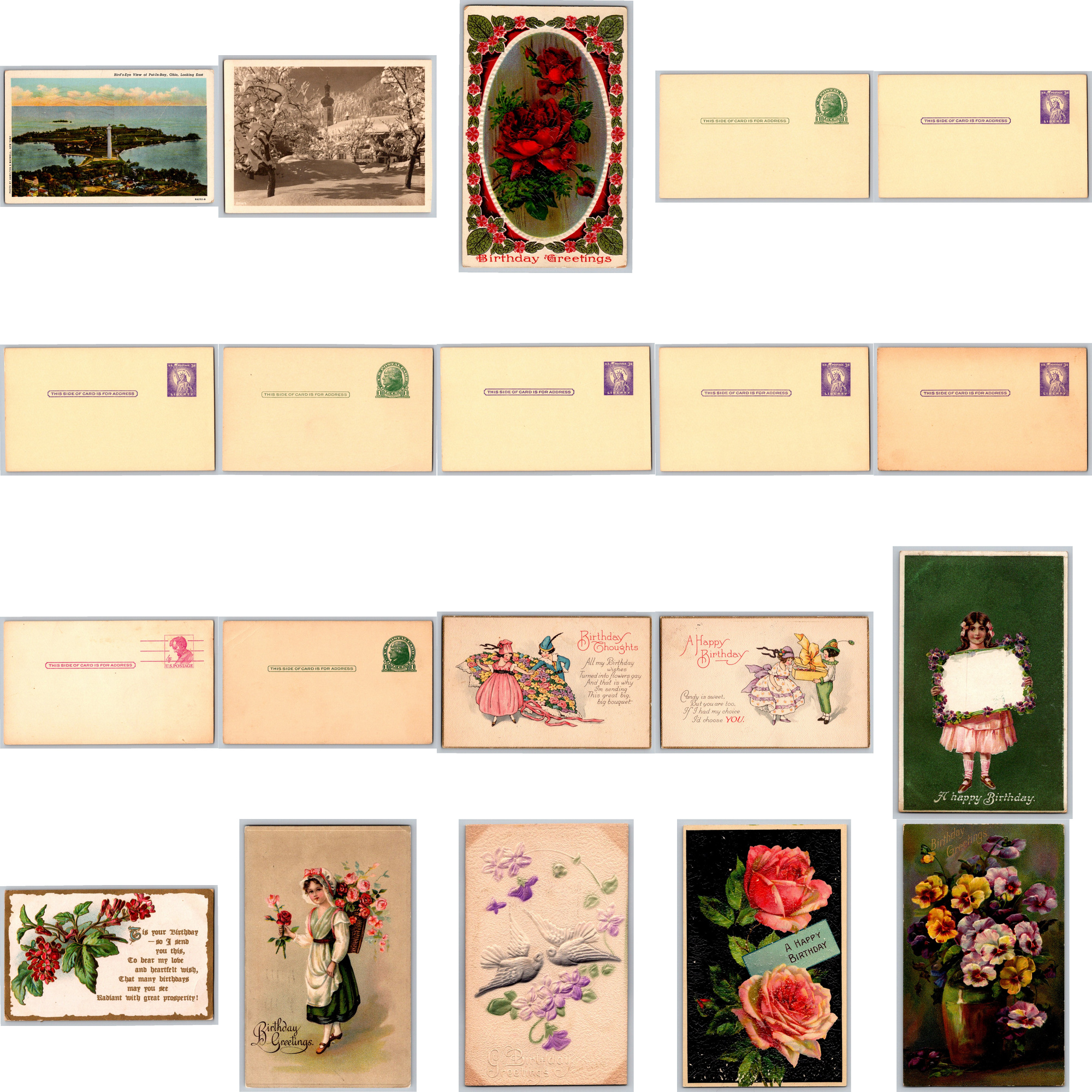
As an eBay Partner, we may earn a commission if you make a purchase.
Item Specifications
- Item Type: Vintage Postcard Lot
- Quantity: 20 Cards
- Subject: Topographical Views & Ephemera
- Era: Mid-20th Century
- Condition: Estate Vintage Original
- Originality: Original Vintage
- Category: Postcards & Ephemera
- Format / Type: Vintage Postcards
Looking for Modern Alternatives?
Explore top-rated, modern Postcards & Ephemera and related historical accessories on Amazon.
Shop Postcards & Ephemera on Amazon →As an Amazon Associate, we earn from qualifying purchases.
Historical Context & Overview
The Timeless Charm of Topographical Paper Ephemera
In an age dominated by instantaneous digital messaging and temporary photos, vintage picture postcards offer a tactile window into the past. For collectors, social historians, and paper ephemera enthusiasts, topographical postcards present an unfiltered record of shifting architectural styles, natural landscapes, and regional culture across the twentieth century. Estate-sourced card lots provide a rich sampling of this material history, preserving moments in time on heavy-stock card paper that has weathered decades of change.
Understanding the Evolution of the American Postcard
The golden era of American picture postcards spanned several distinct aesthetic and production periods, each marked by unique printing processes and design movements. From early split-back and undivided back cards of the turn of the century to the vibrant, textured linen postcards of the 1930s and 1940s, postcard production mirrored technological advancements in photo-lithography. By the mid-twentieth century, the high-gloss "chrome" postcards took center stage, captured in vivid color photography that documented burgeoning highway culture, roadside motels, state parks, and bustling downtown thoroughfares.
Topographical postcards are particularly significant because they showcase specific locations as they existed at a distinct moment. Whether depicting a quiet main street in a small Midwestern town, a dramatic natural landmark in the American West, or municipal architecture that has long since been demolished, these visual records serve as essential primary sources for local history and urban development.
Why Mixed Estate Lots Appeal to Collectors and Resellers
Mixed topographical postcard sets sourced from private estates offer exceptional utility for a variety of enthusiasts. For seasoned postcard collectors (deltiologists), these lots often contain unexpected regional gems, rare publisher marks, or fascinating postmarks with handwritten correspondence on the reverse. The ink stamps, postal cancellations, and personal messages offer personal narratives that turn each card into a micro-historical document.
For vintage resellers and curators, a twenty-card estate lot represents a versatile inventory base. Postcards can be individually cataloged for niche regional collectors, framed as decorative wall art, or repurposed in artistic collage and junk journaling projects. The varied subject matter ensures a diverse cross-section of subjects, ranging from natural scenery and engineering marvels to regional commerce and historic landmarks.
Archival Preservation and Care
To preserve the historical integrity and structural condition of vintage paper ephemera, proper handling is key. Postcards should be stored in acid-free, archival-grade polypropylene or polyester sleeves to protect them from environmental moisture, skin oils, and UV light exposure. When organizing a collection, store cards vertically in acid-free archival storage boxes, avoiding tight pressure that could cause surface abrasion or corner damage. With proper care, these historic paper artifacts will continue to tell their visual stories for generations to come.