1953 Manila Railway Pullman Coach Photo Hartford CT Transit
📸 Click any thumbnail to inspect Front, Back & Angles (2 Photos)
🔗 Embed / Cite This Archival Image (Free with Attribution)Get HTML Code
© USA RESELL. Bloggers, historians, and website owners may embed this image for free by copying the HTML code below (which includes the required credit link back to this page):
USA RESELL is a living historical archive. Because original artifacts are one-of-a-kind and source records change rapidly, use the button above to check live marketplace availability or locate surviving examples. As an eBay Partner, we may earn a commission on qualifying purchases.
Item Specifications
- City: Hartford
- State: Connecticut
- Country: United States
- Era: 1950s
- Subject: Railroads and Trains
- Theme: Transportation
- Category: Vintage Photography
- Format / Type: Vintage Photographs
Historical Context & Overview
Mid-Century Industrial Heritage: The 1953 Manila Railway Export
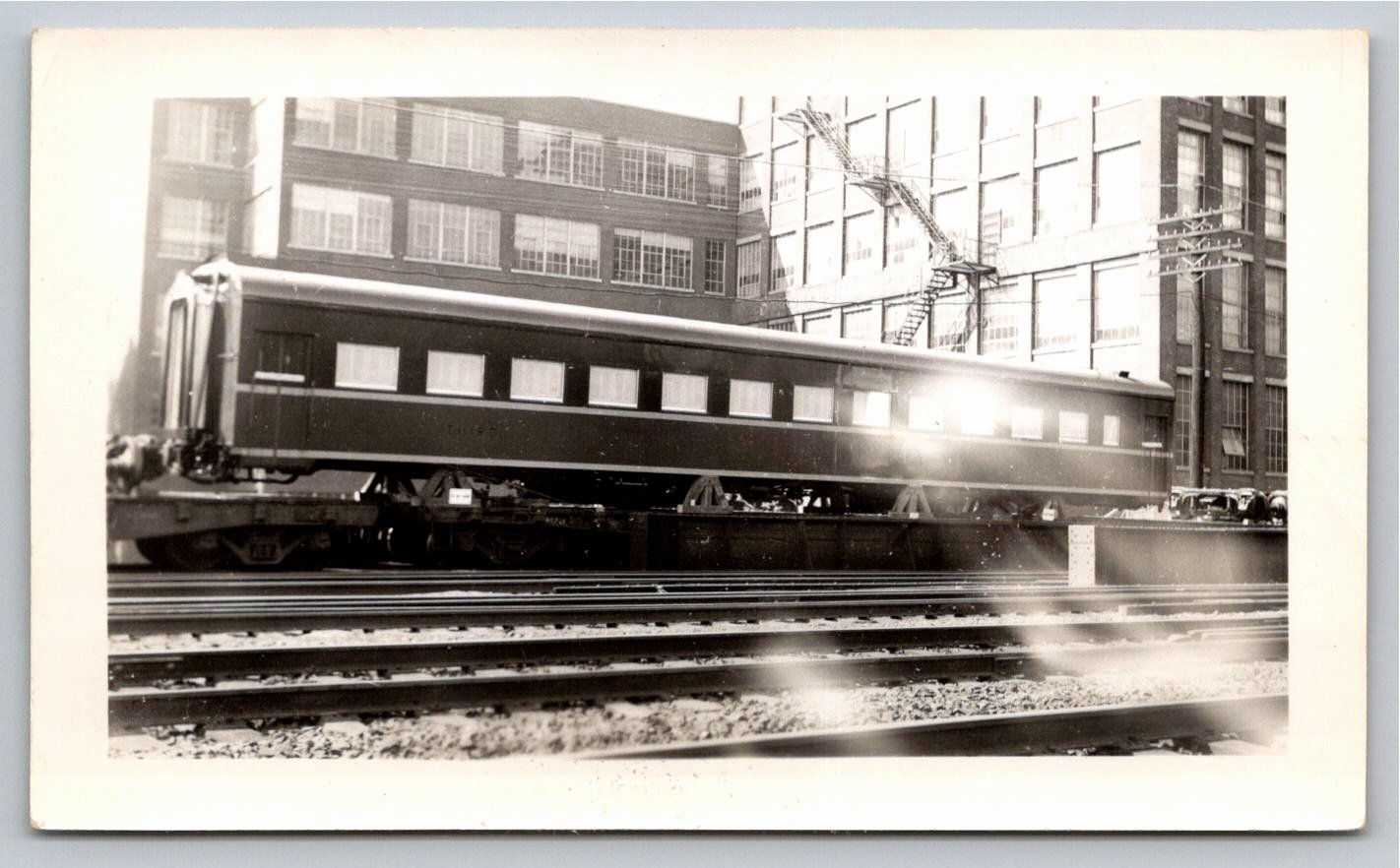
This original 1953 gelatin silver photograph captures a rare moment of post-war international railway history. Taken in Hartford, Connecticut, the image shows a brand-new third-class passenger coach constructed by the famous Pullman Car Company in Worcester, Massachusetts. Transported on a heavy-duty flatcar, the passenger car was photographed mid-transit on its long journey toward the Manila Railway system in the Philippines.
Set against an industrial backdrop featuring a multi-story brick factory building with classic multi-pane steel windows and exterior fire escapes, the photograph visually underscores the American industrial capacity of the early 1950s. The Pullman-Standard facility in Worcester—originally established as the Osgood Bradley Car Company—served as a crucial manufacturing hub for international rail equipment, exporting specialized transit cars and passenger coaches to overseas markets recovering and expanding after World War II.
Documenting Post-War Transit Exports
Export equipment bound for Asian transit systems like the Manila Railway represents a fascinating niche for railroad historians and vintage photography collectors. Rail cars destined for overseas service were often moved via domestic flatcars to major Atlantic ports before ocean freighting, making roadside and trackside transit documentation like this photograph exceptionally scarce.
The reverse side of the print features detailed vintage handwriting reading: "3rd Class Manila Ry. Coach enroute to Manila, Philippines from Pullman Car Co. of Worcester, Mass. photo taken at Hartford, Conn." An additional ink date of "1953" alongside the alphanumeric stamp "D53" provides precise chronological attribution for archival collectors.
Format and Preservation
Measuring 4.4 by 2.6 inches, this authentic 1950s photograph is printed on glossy paper stock. The gelatin silver print maintains strong image contrast, sharp focal clarity across the passenger coach and surrounding architecture, and light edge wear consistent with period archival preservation.
Post-War Philippine Rail Reconstruction
The historical significance of this image extends directly into the post-war reconstruction of the Philippines. Following the severe devastation of Manila's urban infrastructure and rail lines across Luzon during World War II, the Manila Railroad Company relied heavily on American builders to restore its depleted rolling stock. Pullman-Standard’s Worcester facility filled these critical overseas orders, engineering durable third-class passenger coaches built to withstand tropical operating conditions while providing high-capacity civilian transit. Photographing this coach mid-transit through Connecticut offers a rare visual link between New England's industrial manufacturing power and the recovery of Southeast Asian transportation networks in the 1950s.
Archival Provenance and Collector Value
For rail historians and vintage photography collectors, trackside transit photographs of export rail equipment are highly prized for their candid authenticity. Unlike static corporate promotional stills, field snapshots record the logistical movement of heavy machinery along domestic rail corridors before reaching Atlantic maritime shipping terminals. The physical photograph itself showcases the enduring quality of mid-century silver halide developing processes, rendering deep shadow tones and sharp architectural lines. Complete with its production code marking on the reverse, the snapshot serves as a verified, primary-source photographic record of global industrial export history.