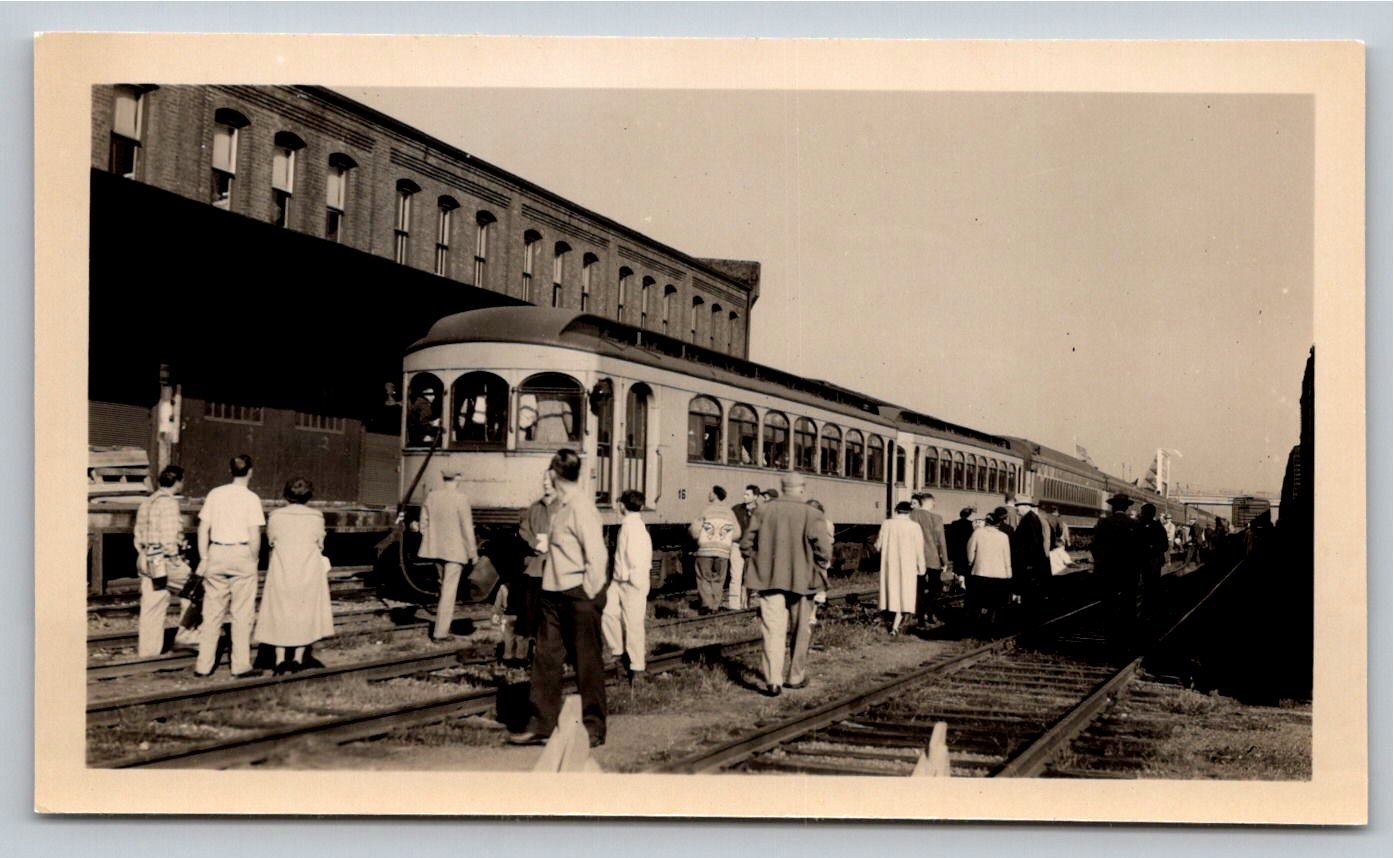
1950s Vintage Interurban Railcar No. 16 Station Photo
📸 Click any thumbnail to inspect Front, Back & Angles (2 Photos)
🔗 Embed / Cite This Archival Image (Free with Attribution)Get HTML Code
© USA RESELL. Bloggers, historians, and website owners may embed this image for free by copying the HTML code below (which includes the required credit link back to this page):
USA RESELL is a living historical archive. Because original artifacts are one-of-a-kind and source records change rapidly, use the button above to check live marketplace availability or locate surviving examples. As an eBay Partner, we may earn a commission on qualifying purchases.
Item Specifications
- City: Unspecified
- Country: United States
- Era: Mid-20th Century
- Subject: Streetcar Interurban Railcar Railroad Depot
- Theme: Transportation Americana Railroadiana
- Time Period Manufactured: 1950-1959
- Category: Vintage Photography
- Format / Type: Vintage Photographs
Historical Context & Overview
Mid-Century Electric Transit: Interurban Car No. 16
During the mid-20th century, North American regional transit was defined by the golden age of interurban electric railways. Bridging the gap between traditional urban streetcar lines and heavy steam rail networks, interurbans provided fast, clean electric transit connecting growing suburban communities directly to major metropolitan centers. This authentic original gelatin silver print captures interurban electric Car No. 16 resting alongside trackage by an impressive brick depot station.
The image highlights the classic mid-century structural contours of electric rail equipment. Featuring large front-facing operator windows, arched side passenger windows, and roof-mounted electrical equipment, Car No. 16 stands as a prime representative of regional electric transit heritage. Surrounding the vehicle, a crowd of neatly dressed passengers, commuters, and rail enthusiasts gather on the track ballast, taking in the arrival of the passenger train.
Social History and Visual Detail
Beyond its significance to transit historians and railfans, the photograph serves as a compelling slice of mid-century Americana. The assembled crowd exhibits the fashion trends of the 1950s, with men in tailored overcoats, jacketing, and classic fedoras standing beside women in period day dresses. The imposing multi-story brick station building in the background provides rich architectural context, emphasizing the central role regional transit hubs played in civic life before the widespread dominance of the modern interstate highway system.
Preserved on matte photo paper measuring 4.3 by 2.6 inches, this silver gelatin photograph offers exceptional depth, crisp tonal contrast, and fine detail throughout the shadows and highlights. The physical print features clean borders and a completely unwritten, blank reverse side free from scrapbook mounting residue, making it an exemplary specimen for collectors of vintage photography and railroadiana.
The Sunset Era of American Electric Rail
By the 1950s, the vast interurban electric railway networks that once linked regional towns across the United States were rapidly succumbing to post-war transportation shifts. Increased public funding for expanded highway networks, combined with the soaring popularity of personal automobiles, led to widespread line abandonments and bus conversions. Photographs like this document of Car No. 16 capture the final operational decade for many legacy interurbans, preserving the precise track layout, overhead trolley wire infrastructure, and depot platform arrangements of a regional transit mode that largely vanished from the American landscape shortly thereafter.
Archival Significance and Collector Value
For transportation ephemera enthusiasts and photography collectors, original mid-century vernacular prints possess a tactile authenticity that modern digital reprints cannot replicate. The gelatin silver development process used for this photograph suspended metallic silver particles within a delicate emulsion layer, providing darkroom tonal depth that naturally resists fading over time. Preserving this 4.3 by 2.6-inch matte print requires housing it in acid-free archival sleeves or displaying it under UV-filtering glass, ensuring that the crisp contrast between the ornate brick depot architecture and the dark steel body of Car No. 16 remains vividly preserved for future generations of transit historians.