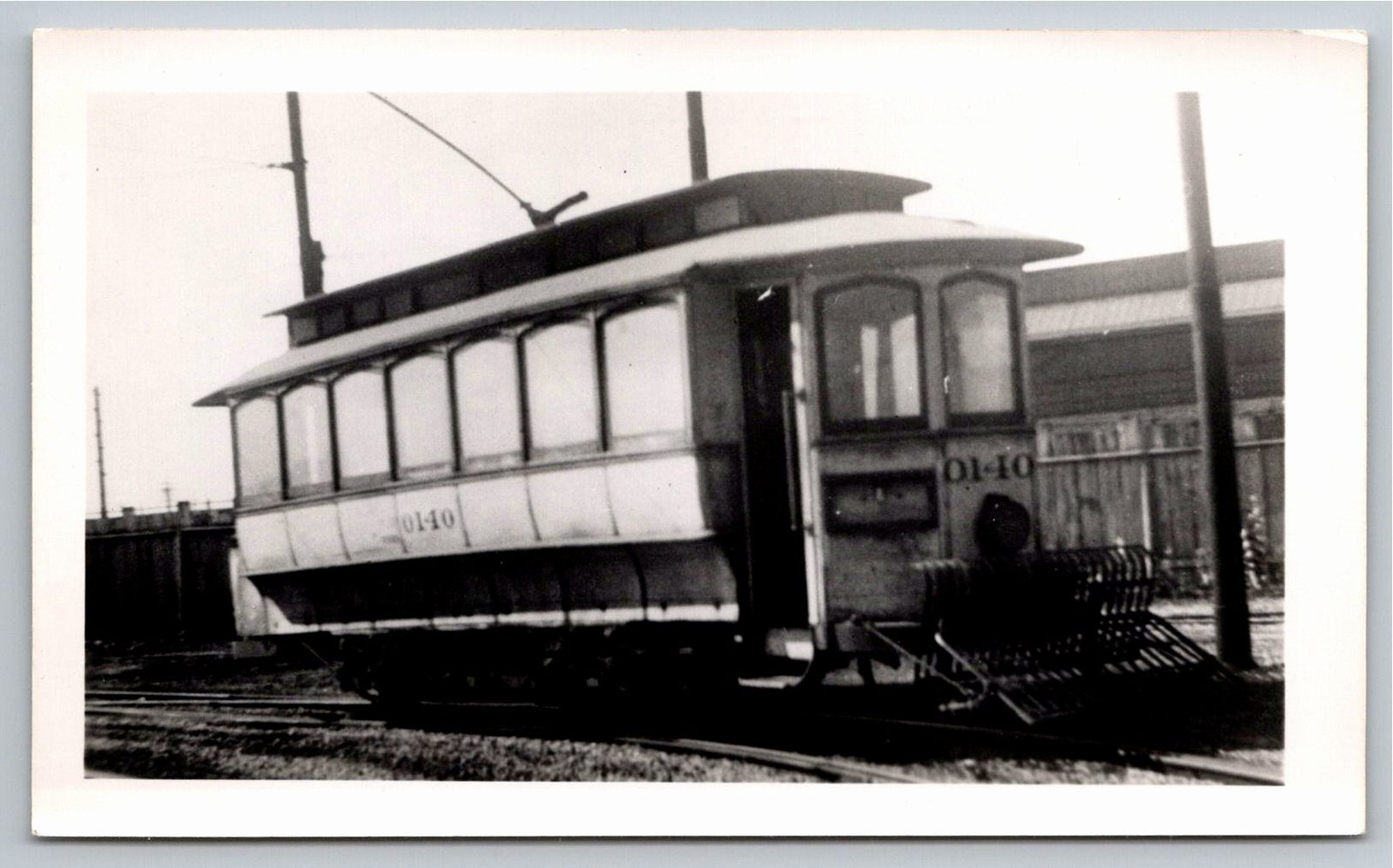
1892 Cleveland Railway Streetcar 0140 Ford Museum Photo
📸 Click any thumbnail to inspect Front, Back & Angles (2 Photos)
🔗 Embed / Cite This Archival Image (Free with Attribution)Get HTML Code
© USA RESELL. Bloggers, historians, and website owners may embed this image for free by copying the HTML code below (which includes the required credit link back to this page):
USA RESELL is a living historical archive. Because original artifacts are one-of-a-kind and source records change rapidly, use the button above to check live marketplace availability or locate surviving examples. As an eBay Partner, we may earn a commission on qualifying purchases.
Item Specifications
- City: Cleveland
- State: Ohio
- Country: United States
- Era: Pre-1914
- Subject: Streetcar Trolley Transit Rail
- Theme: Transportation Americana
- Category: Vintage Photography
- Format / Type: Vintage Photographs
Historical Context & Overview
Early Electric Transit: Cleveland Railway Company Car #0140
This original vintage black-and-white photographic print offers a rare look at an early piece of American mass transit history—Cleveland Railway Company electric streetcar Car #0140. Originally constructed in 1892, this vehicle represents the pioneering decade when electric traction rapidly replaced horse-drawn omnibuses across major industrial hubs in northern Ohio and the Midwest.
The side-profile view captures the distinctive architectural nuances of late 19th-century wooden streetcars. Notable features include its classic elevated clerestory roofline designed for interior ventilation, elegant arched window framing, an overhead trolley pole, and a prominent front cowcatcher safety assembly. Measuring approximately 5.1 by 3.1 inches, the print exhibits sharp image clarity, deep contrast, and crisp paper borders characteristic of mid-20th-century archival processing.
Preserved Legacy at the Henry Ford Museum
The reverse side of the photographic print provides invaluable context for transportation historians. A neat vintage typewriter stamp notes "CLEVELAND RY. #0140", accompanied by handwritten blue pen notation documenting its history as "a Ford Museum Car, Dearborn, Mich, blt. 1892". This inscription details the vehicle's eventual acquisition and display within Henry Ford's famous collection at Greenfield Village and the Edison Institute (now The Henry Ford Museum) in Dearborn, Michigan.
During the early 20th century, Henry Ford actively collected historic steam locomotives, electric interurbans, and urban streetcars to preserve the evolution of American mobility. Car #0140 stood as a prime example of early electrification in urban transit systems, highlighting how midwestern cities expanded suburban access along electric rail corridors prior to the widespread adoption of the private automobile.
A Documented Piece of Railway Americana
Printed during the 1930s as part of historical transit documentation, this physical photograph serves as an essential primary document for railway collectors, Cleveland local history archivists, and trolley enthusiasts. It remains in very good vintage condition with light, natural age toning across the paper stock.
1890s Electric Rail Innovation and Ohio Transit
The adoption of electric street railway technology in 1892 represented a dramatic leap forward for infrastructure in northern Ohio. Prior to full fleet electrification, public transit depended entirely on horse-drawn carriages, which severely limited speed, capacity, and service distance. The implementation of overhead electric trolley wires allowed municipal transit networks to extend far past traditional city boundaries, laying the groundwork for early suburban development surrounding Cleveland. Vehicles like Car #0140 were instrumental in demonstrating the reliability of electric traction, fundamentally reshaping how city residents traveled to work and leisure destinations.
Archival Gelatin-Silver Craftsmanship and Ephemera Value
Produced on glossy photographic paper utilizing classic gelatin-silver chemistry, this mid-century print exhibits exceptional tonal separation and fine detail. Roster photographers during the 1930s routinely sought out surviving late 19th-century streetcars to document American transit evolution, creating an invaluable visual record for future historians. Today, this vintage print stands as a prized addition for collectors of Ohio railway memorabilia, urban transportation archives, and early industrial photography, capturing a key moment when historic transit artifacts transitioned from active service into permanent museum collections.