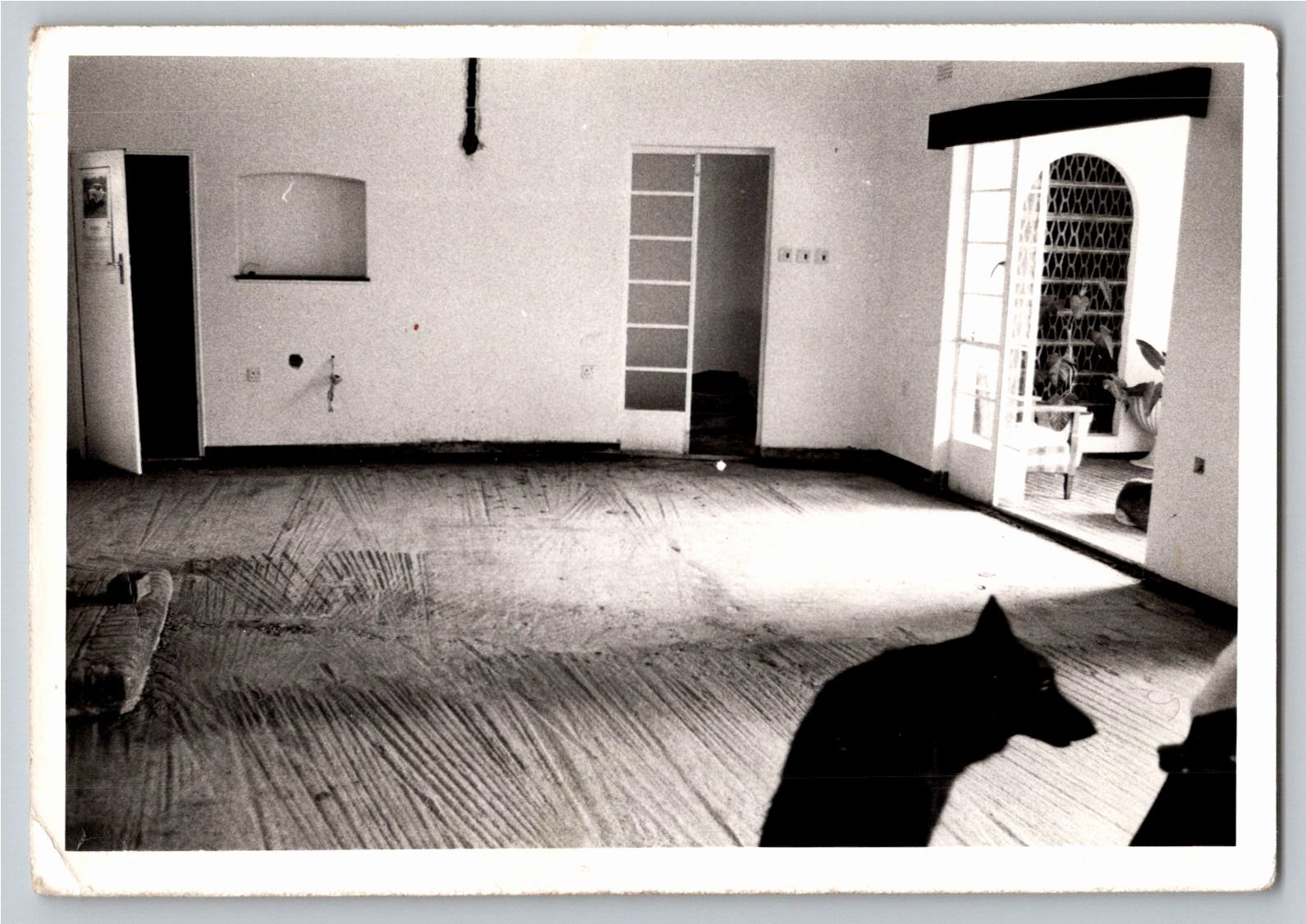
1960s German Shepherd Dog Silhouette Interior Snapshot
📸 Click any thumbnail to inspect Front, Back & Angles (2 Photos)
🔗 Embed / Cite This Archival Image (Free with Attribution)Get HTML Code
© USA RESELL. Bloggers, historians, and website owners may embed this image for free by copying the HTML code below (which includes the required credit link back to this page):
USA RESELL is a living historical archive. Because original artifacts are one-of-a-kind and source records change rapidly, use the button above to check live marketplace availability or locate surviving examples. As an eBay Partner, we may earn a commission on qualifying purchases.
Item Specifications
- City: Unspecified
- Country: United States
- Era: Mid-Century
- Subject: Architecture Domestic Life Dog Silhouette Interior
- Theme: Domestic and Family Life
- Year of Production: 1960
- Category: Vintage Photography
- Format / Type: Snapshots
Historical Context & Overview
Visual & Architectural Setting of a Mid-Century Interior
This evocative vintage black-and-white snapshot presents an intimate look into a mid-20th-century home undergoing transformation. In the right foreground, the crisp silhouette of a domestic canine—displaying the distinctive erect ears and pointed profile characteristic of a German Shepherd or related working breed—cuts sharply against the luminous room. The interior itself is caught in a moment of active transition, devoid of furnishings except for the stripped, textured subfloor marked by troweled adhesive patterns and raw surface striations awaiting fresh tile, linoleum, or wall-to-wall carpeting.
Architecturally, the space embodies clean modernist sensibilities popular during the 1960s. Across the back wall, minimalist features include a soft-arched display alcove set into the plaster, exposed utilities, and a multi-pane interior partition doorway. To the right, expansive floor-to-ceiling glass patio doors flood the interior with natural daylight, framing an open threshold that leads out onto a veranda adorned with decorative metal security latticework and glimpses of lush patio plants, seamlessly uniting indoor living with outdoor relaxation.
Domestic Renovation Culture and the Handwritten Archive
During the post-war era, suburban home expansion fueled a burgeoning do-it-yourself movement across residential neighborhoods. Homeowners increasingly took modernization into their own hands, remodeling formal parlors into relaxed, open-concept lounge spaces designed for modern family leisure. This photograph documents such an architectural evolution in progress, preserving a candid instant where a beloved family pet wanders into the construction zone, oblivious to the ongoing labor yet central to the warmth of the home.
The reverse side of the photographic print provides personal context through faint handwritten pencil script. In neat cursive, the homeowner inscribed the words, “My lounge / See no floor,” alongside subtle numeric markings. This playful commentary underscores the owner's amusement at the bare, unfinished state of their living quarters, transforming an accidental compositional silhouette into an endearing visual journal entry of everyday mid-century domestic life.
Print Characteristics, Condition, and Archival Significance
The original photograph measures approximately 5.0 by 3.5 inches and is rendered as a classic gelatin silver print on glossy photographic paper stock with standard white borders. The tonal balance is strikingly sharp, offering deep, velvety obsidian shadows in the canine profile set against radiant high-key sunlight pouring through the patio door glass. This natural lighting dynamic enhances the textured geometry visible throughout the floorboards and back walls.
Preserved in good vintage condition, the physical artifact exhibits gentle corner wear, subtle handling evidence, and faint age-appropriate toning along the white perimeter margins. As vernacular photography continues to attract collectors of mid-century modern architecture, canine portraiture, and domestic social history, this unique snapshot stands out for its unexpected graphic composition, authentic residential documentation, and evocative slice-of-life charm.