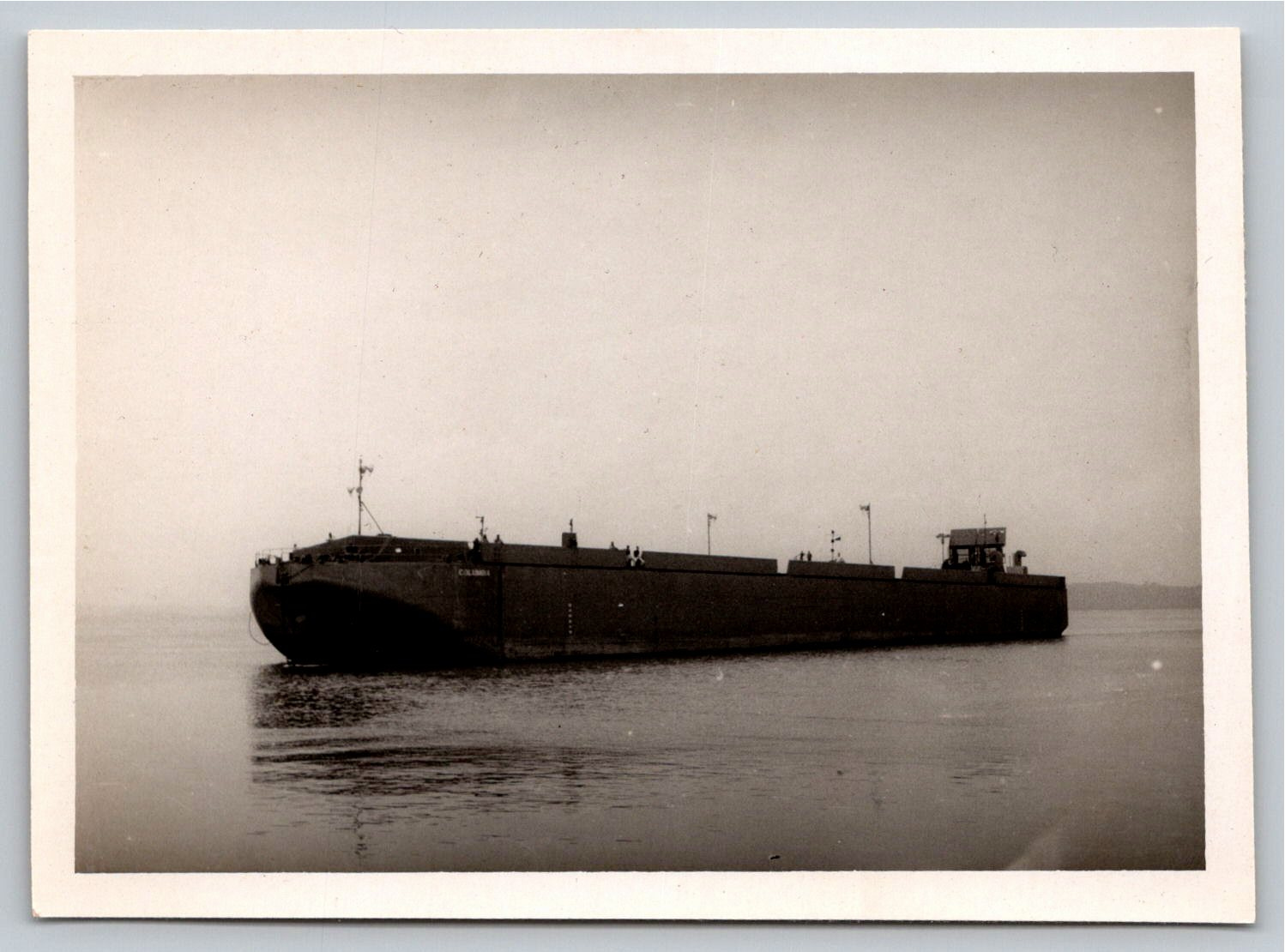
Vintage Great Lakes Freighter Ship Columbia Silver Gelatin Photo
📸 Click any thumbnail to inspect Front, Back & Angles (2 Photos)
🔗 Embed / Cite This Archival Image (Free with Attribution)Get HTML Code
© USA RESELL. Bloggers, historians, and researchers may embed this image for free by keeping the credit link below intact:
As an eBay Partner, we may earn a commission if you make a purchase.
Item Specifications
- City: Unspecified
- Country: United States
- Era: 1930-1950s
- Subject: Great Lakes Freighter Ship Columbia
- Original/Licensed Reprint: Original Vintage
- Image Color: Black and White
- Category: Vintage Photography
- Format / Type: Vintage Photographs
Looking for Modern Alternatives?
Explore top-rated, modern Vintage Photography and related historical accessories on Amazon.
Shop Vintage Photography on Amazon →As an Amazon Associate, we earn from qualifying purchases.
Historical Context & Overview
The vast inland seas of the North American Great Lakes have long served as the heavy-industrial arterial network of the continent, facilitating the movement of raw iron ore, coal, grain, and limestone across the heartland. This authentic mid-century gelatin-silver photograph offers a striking side-profile view of the bulk freighter ship Columbia navigating open waters during the height of the mid-20th-century shipping era. Capturing the low-slung hull, expansive cargo hatch deck, and elevated aft deckhouse, the composition perfectly highlights the specialized utilitarian engineering that defined American commercial vessel design during this pivotal period.
Industrial Bulk Shipping on the Inland Seas
Throughout the boom years of American industrial manufacturing, bulk carriers like the Columbia formed the backbone of merchant shipping fleets operating along Lake Superior, Lake Huron, Lake Erie, and Lake Michigan. Designed specifically to maximize cargo capacity while navigating restricted river channels and lock systems—such as the vital Soo Locks between Lake Superior and Lake Huron—these long, heavy-duty freighters were essential to domestic supply chains.
The monochrome tones of this original photographic print showcase dramatic contrasts between the darkened vessel body and the calm, reflective water surrounding it. Captured under muted skies, the framing emphasizes the quiet power of these hardworking ships as they traversed hundreds of nautical miles on routine delivery runs between mining ports, steel mills, and grain terminals.
Photographic Technique and Archival Quality
Produced using traditional gelatin-silver processing on classic fiber base photographic paper, this original snapshot displays the crisp detail and rich tonal range characteristic of mid-20th-century photographic technology. The gelatin-silver technique, which utilized light-sensitive silver halide crystals suspended in a gelatin emulsion, was favored for its ability to render exceptionally sharp subject clarity and deep, enduring black tones.
Measuring approximately 4.7 inches by 3.4 inches, this vintage contact photograph features crisp white borders characteristic of period darkroom printing. The plain reverse side bears a light, period pencil identification reading "Columbia." The print is in excellent vintage condition, exhibiting only minimal handling wear along the outer margins while preserving remarkable overall image contrast and detail—ideal for archival framing or maritime ephemera collections.
Collector Value and Maritime Heritage
Original visual documentation of Great Lakes freighter history holds significant historical value for nautical enthusiasts, maritime historians, and transportation collectors alike. Individual photographs documenting named bulk carriers from this golden era serve as tangible links to the workers, shipyards, and merchant fleets that powered 20th-century commerce. This authentic piece of nautical visual history stands as a fine example of American industrial maritime heritage.