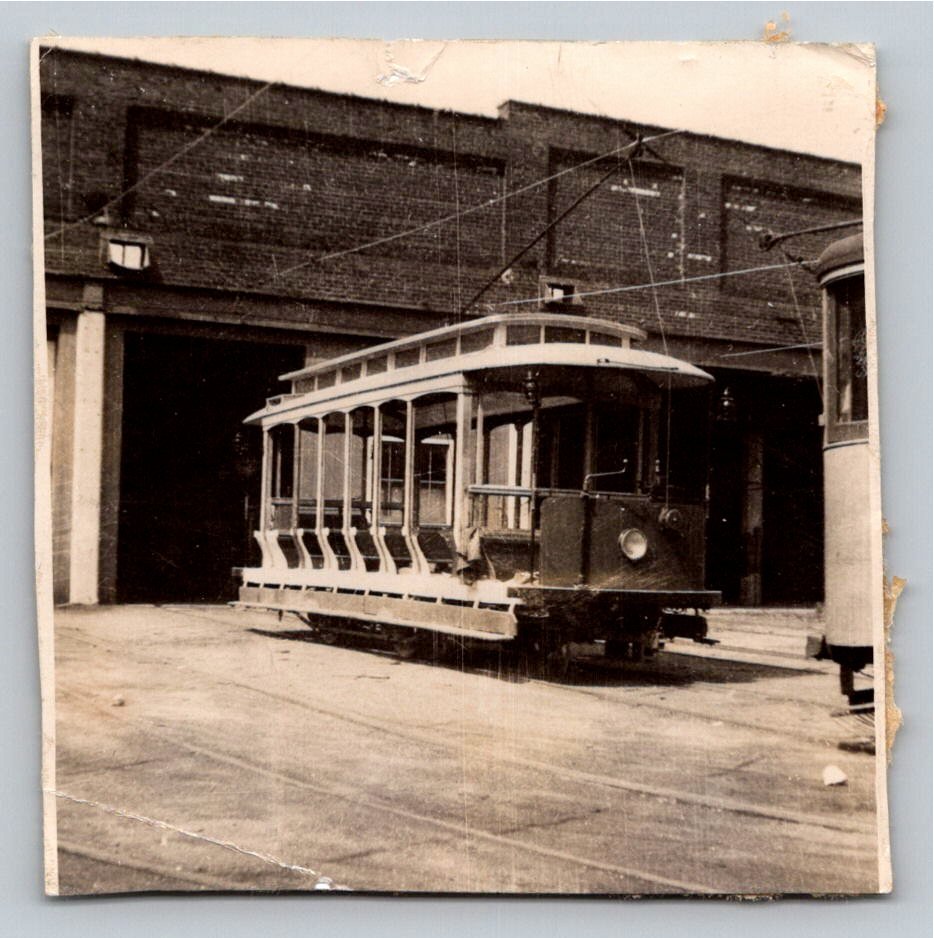
1940s Five Mile Beach Electric Railway Trolley Photo Wildwood NJ
📸 Click any thumbnail to inspect Front, Back & Angles (2 Photos)
🔗 Embed / Cite This Archival Image (Free with Attribution)Get HTML Code
© USA RESELL. Bloggers, historians, and website owners may embed this image for free by copying the HTML code below (which includes the required credit link back to this page):
USA RESELL is a living historical archive. Because original artifacts are one-of-a-kind and source records change rapidly, use the button above to check live marketplace availability or locate surviving examples. As an eBay Partner, we may earn a commission on qualifying purchases.
Item Specifications
- City: Wildwood
- State: New Jersey
- Country: United States
- Era: 1940s
- Subject: Streetcar Trolley Car Five Mile Beach Electric Railway
- Theme: Transportation
- Category: Vintage Photography
- Format / Type: Vintage Photographs
Historical Context & Overview
This mid-1940s vintage photograph offers a historic look at Five Mile Beach Electric Railway Car No. 34 resting outside a brick car barn depot in Wildwood, New Jersey. Manufactured in 1899 by the renowned Jackson & Sharp Company, this 9-bench open-air streetcar represents a pivotal chapter in the evolution of American seaside transit and early railway preservation.
From Lynchburg to the New Jersey Shore
Originally built for service on the Lynchburg Railway in Virginia, Car 34 was later acquired by the Five Mile Beach Electric Railway in 1929. For sixteen years, it served as a quintessential fixture of the Wildwood resort community, shuttling summer tourists between oceanfront attractions and coastal neighborhoods. Open-bench trolleys were uniquely suited for beach towns, providing passengers with sweeping ocean breezes and unobstructed views during the peak holiday season.
The image clearly details the classic architectural features of late 19th-century open streetcar design: an open-sided bench arrangement, a double-curved monitor roof canopy, a single-truck wheel frame, and a prominent center headlamp mounted on the front dashboard.
A Milestone in Electric Railway Preservation
Following the conclusion of World War II, many American coastal towns began phasing out electric streetcar infrastructure in favor of modern motor buses. Five Mile Beach Electric Railway ended rail operations in 1945, marking the end of an era for local streetcar service. However, Car 34 achieved historic distinction when it became the very first trolley acquired by the newly formed Branford Electric Railway Association (now known as the Shore Line Trolley Museum). This 1946 photo documents the vehicle around the time of its retirement from resort service and transition into preserved historical storage.
Artifact Details and Provenance
Measuring 2.8 by 2.8 inches, this original black-and-white print is rendered on vintage matte paper stock. The reverse side bears original handwritten ink annotations documenting the car number and its historical connection to the Five Mile Beach Electric Railway and the Branford preservation collection. Traces of paper mounting tissue remain on the back, evidence of its prior inclusion in an early 20th-century transportation enthusiast's scrapbook album. Showing authentic age-appropriate character including light edge wear, this photograph stands as a remarkable physical document of American transit history.
Mid-Century Photographic Craft and Visual Texture
Produced via the traditional gelatin-silver printing process standard to the 1940s, this photograph showcases exceptional tonal depth and crisp central contrast despite its compact square format. The vintage matte paper stock minimizes surface reflection, accentuating subtle architectural textures such as the weathered brick facade of the Wildwood depot, the dark iron framework of the single-truck assembly, and the slatted seating arrangement. Small-format candid prints of this era were frequently captured by traveling railfans using portable roll-film cameras, providing authentic ambient lighting and raw field conditions that commercial studio prints rarely captured.
Enduring Collector Appeal and Transit Legacy
For rail historians and ephemera collectors, original photographic documentation of transitional mid-century coastal streetcar lines remains highly sought after. Wooden-bodied, open-air trolleys crafted by master carbuilders like Jackson & Sharp represented a bygone age of American resort travel, making surviving visual records from the 1940s exceptionally rare. Because Car No. 34 stands as the foundational acquisition of the historic Shore Line Trolley Museum preservation fleet, verified period images documenting its active service in Wildwood hold tremendous research value. Preserved in enthusiast scrapbooks for generations, such artifacts offer a tangible connection to the birth of modern railway preservation.