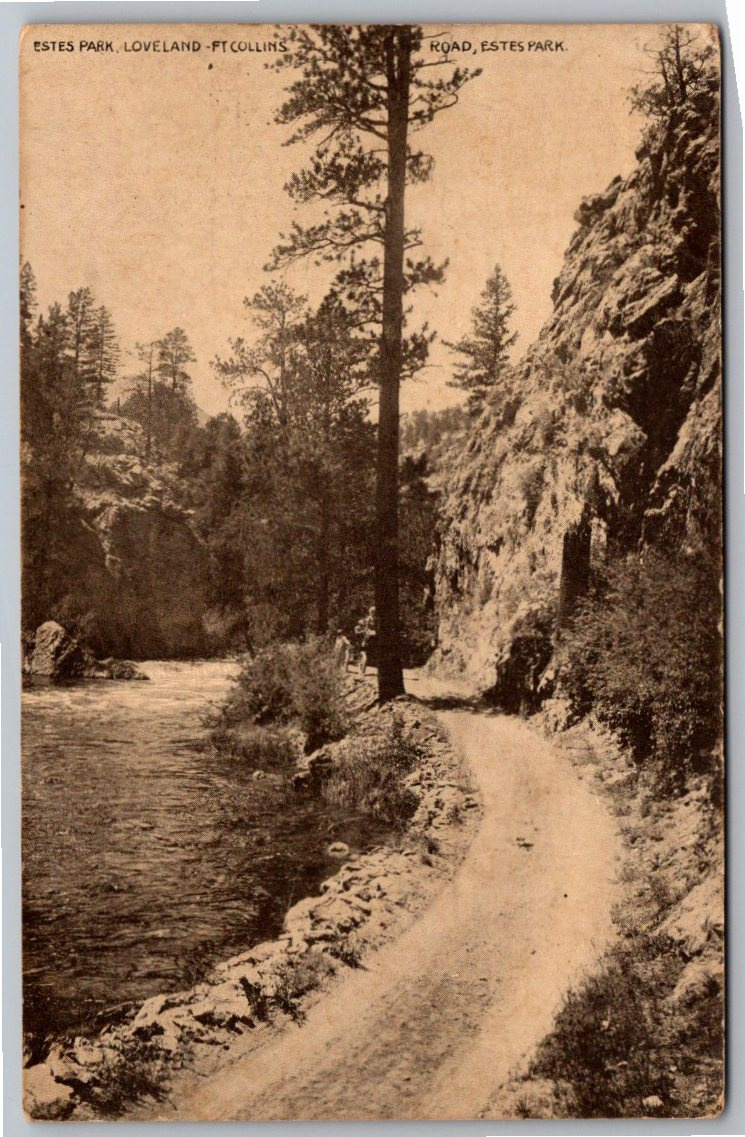
1918 Estes Park & Loveland Road Vintage Colorado Postcard View
📸 Click any thumbnail to inspect Front, Back & Angles (2 Photos)
As an eBay Partner, we may earn a commission if you make a purchase.
Item Specifications
- Era: 1910s Divided Back
- Year: 1918
- Publisher: W. T. Parke
- Location: Estes Park, Colorado
- Subject: Big Thompson Canyon Road
- Postmark Date: August 29, 1918
- Category: Postcards & Ephemera
- Format / Type: Vintage Postcards
Looking for Modern Alternatives?
Explore top-rated, modern Postcards & Ephemera and related historical accessories on Amazon.
Shop Postcards & Ephemera on Amazon →As an Amazon Associate, we earn from qualifying purchases.
Historical Context & Overview
In the early decades of the twentieth century, the jagged canyons and pristine alpine valleys of northern Colorado underwent a dramatic transformation. With the establishment of Rocky Mountain National Park in 1915, tourists from across the United States began flocking to the high country. Navigating these rugged mountain passes required fortitude, early motorcars, and winding dirt roads carved directly into the rock faces along churning rivers. This original black-and-white postcard from 1918 offers an evocative visual record of that heroic era of mountain travel along the iconic route connecting Loveland, Fort Collins, and Estes Park.
Motoring Through the Big Thompson Canyon
The image captured on the front of this postcard highlights a narrow single-lane dirt thoroughfare winding along the banks of a roaring mountain stream—most likely the Big Thompson River. Towering ponderosa pines and sheer granite cliffs flank the roadway, illustrating the raw beauty and inherent risk of early automobile excursions in Colorado. Before modern paving and highway expansion, traveling from the eastern plains towns of Loveland or Fort Collins into the high-altitude haven of Estes Park was an adventure unto itself. Motorists negotiated tight turns, steep gradients, and unpredictable mountain weather, making every arrival in Estes Park a celebrated milestone.
This postcard encapsulates the spirit of early motoring culture, when the journey through Colorado’s rugged river canyons was just as dramatic as the destination. Mountain roads of this era were engineered to follow natural topographies, creating intimate views of wilderness that captivated urban visitors seeking refuge in the West.
Local Publishing and Ephemera: W. T. Parke
The reverse side reveals that this postcard was published locally by W. T. Parke, a prominent vendor operating out of Estes Park, Colorado. Local stationers and shopkeepers like Parke played a vital role in immortalizing the regional landscape. By partnering with printers to produce monochrome views of nearby natural landmarks, canyon highways, and resort vistas, local publishers supplied millions of summer travelers with tangible keepsakes to send back home.
A Humorous Echo from August 1918
Beyond its scenic landscape, this postcard carries a fascinating human connection preserved in ink. Postmarked in Loveland, Colorado, on August 29, 1918, the card bears a red two-cent George Washington stamp and is addressed to Mr. Donald Thompson of Kansas City, Missouri. The handwritten message from a sender named Marie offers a delightfully humorous window into everyday life during World War I-era vacationing:
"This place would be heaven itself if there were any barbequed ribs or crawdads up here. Tell Glad to write to me, Don't know where she is."
Even while surrounded by the awe-inspiring grandeur of the Colorado Rockies, Marie could not help but long for the familiar culinary comforts of home. It is precisely these unscripted personal messages that elevate historical postcards from mere photographic prints into living artifacts of social history. Today, this piece serves as a remarkable dual artifact—documenting both the pioneer infrastructure of early Colorado tourism and the lighthearted spirit of the travelers who journeyed there over a century ago.