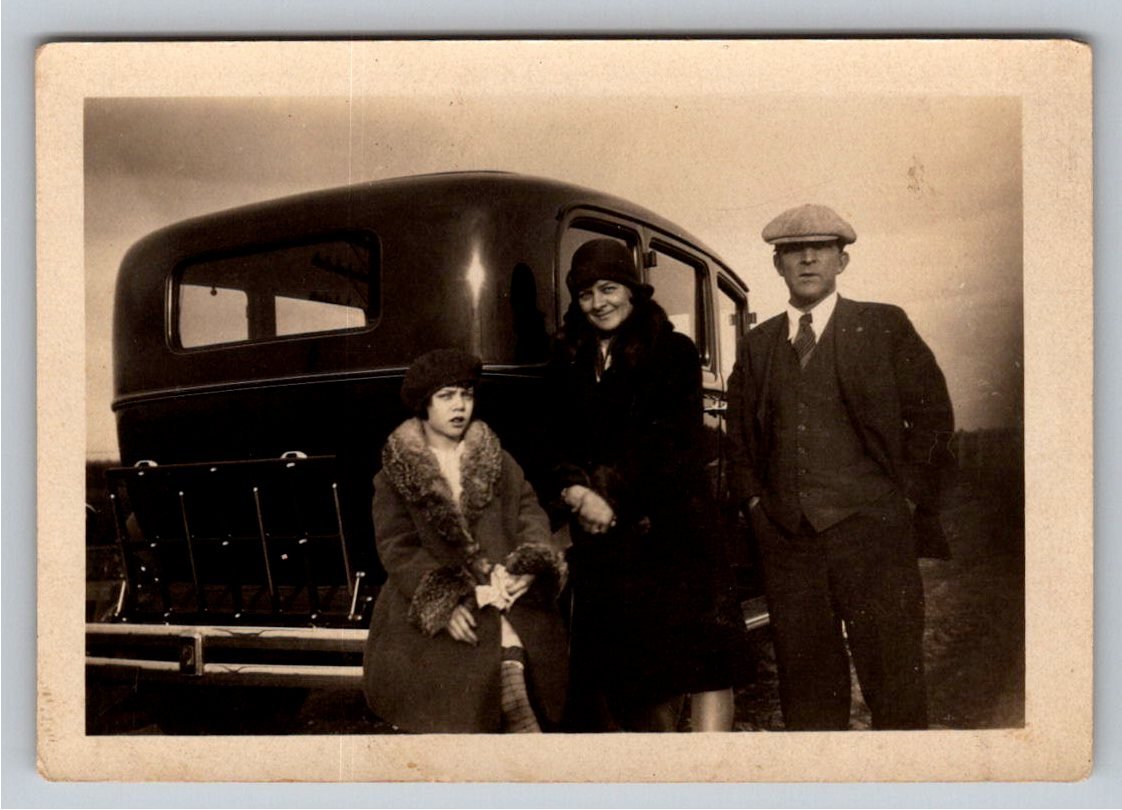
1920s Family Portrait Snapshot Photo Vintage Classic Car
📸 Click any thumbnail to inspect Front, Back & Angles (2 Photos)
🔗 Embed / Cite This Archival Image (Free with Attribution)Get HTML Code
© USA RESELL. Bloggers, historians, and researchers may embed this image for free by keeping the credit link below intact:
USA RESELL is a living historical archive. Because original artifacts are one-of-a-kind and source records change rapidly, use the button above to check live marketplace availability or locate surviving examples. As an eBay Partner, we may earn a commission on qualifying purchases.
Item Specifications
- City: Unspecified
- Country: United States
- Era: 1920s
- Subject: Family Automobile
- Theme: Americana Family Life Transportation
- Time Period Manufactured: 1920-1929
- Category: Vintage Photography
- Format / Type: Snapshots
Historical Context & Overview
In the decade following World War I, the United States experienced an unparalleled surge in technological innovation, consumer freedom, and personal mobility. This original vernacular snapshot photograph offers an intimate lens into that transformative era, capturing a three-member family standing proudly alongside their contemporary sedan. Printed on classic silver gelatin photographic paper, the image distills the spirit of Roaring Twenties Americana into a poignant, tangible artifact of early twentieth-century social history.
sartorial Elegance and Early Motoring Culture
The composition provides a vivid historical record of Jazz Age fashion and everyday middle-class life. Standing on the right, the father is impeccably dressed in a tailored three-piece suit paired with a traditional wool newsboy flat cap, reflecting the prevailing working-to-middle-class menswear of the 1920s. Center frame, the woman wears a close-fitting cloche hat, the quintessential headwear of the period that defined women's fashion alongside dark tailored outerwear. Seated beside her, the young daughter wears a winter coat adorned with a thick, plush fur collar, complete with knee-high pattern socks—a detailed look at period children's attire.
Anchoring the scene behind them is a substantial early-production automobile. The rear of the vehicle showcases prominent design elements characteristic of late 1920s luxury and touring sedans, including a polished rear bumper, prominent curved fenders, and an exterior fold-down luggage rack mounted below the rear window. During this decade, ownership of a enclosed family car represented independence, status, and the newly established American tradition of the Sunday drive.
The Vernacular Gelatin-Silver Print Medium
Vernacular photography—candid photographs created by everyday people documenting their lives—became widely accessible during the 1920s due to the mass adoption of portable handheld cameras. Printed on matte cardstock utilizing the traditional gelatin-silver bromide process, this photo retains crisp detail across its subtle tonal range. The stark contrast between the deep blacks of the automobile body and the softer tones of the family's tailored clothing highlights the chemistry and craft of pre-war photographic printing.
Measuring approximately 3.4 by 2.4 inches, this physical snapshot features a plain back with minimal aging, offering clean provenance for collectors of transportation history, historical fashion, and early American ephemera.
Preservation and Collecting Significance
Authentic, unaltered candid photographs from the interwar period serve as vital primary sources for historians and vintage enthusiasts alike. Unlike staged studio portraits of earlier decades, casual outdoor snapshots capture natural expressions, authentic wear, and unvarnished glimpses of daily life. Whether displayed in a custom archival frame, incorporated into an automotive history collection, or preserved within a curated photography portfolio, this original 1920s snapshot remains a charming homage to an iconic chapter in American heritage.