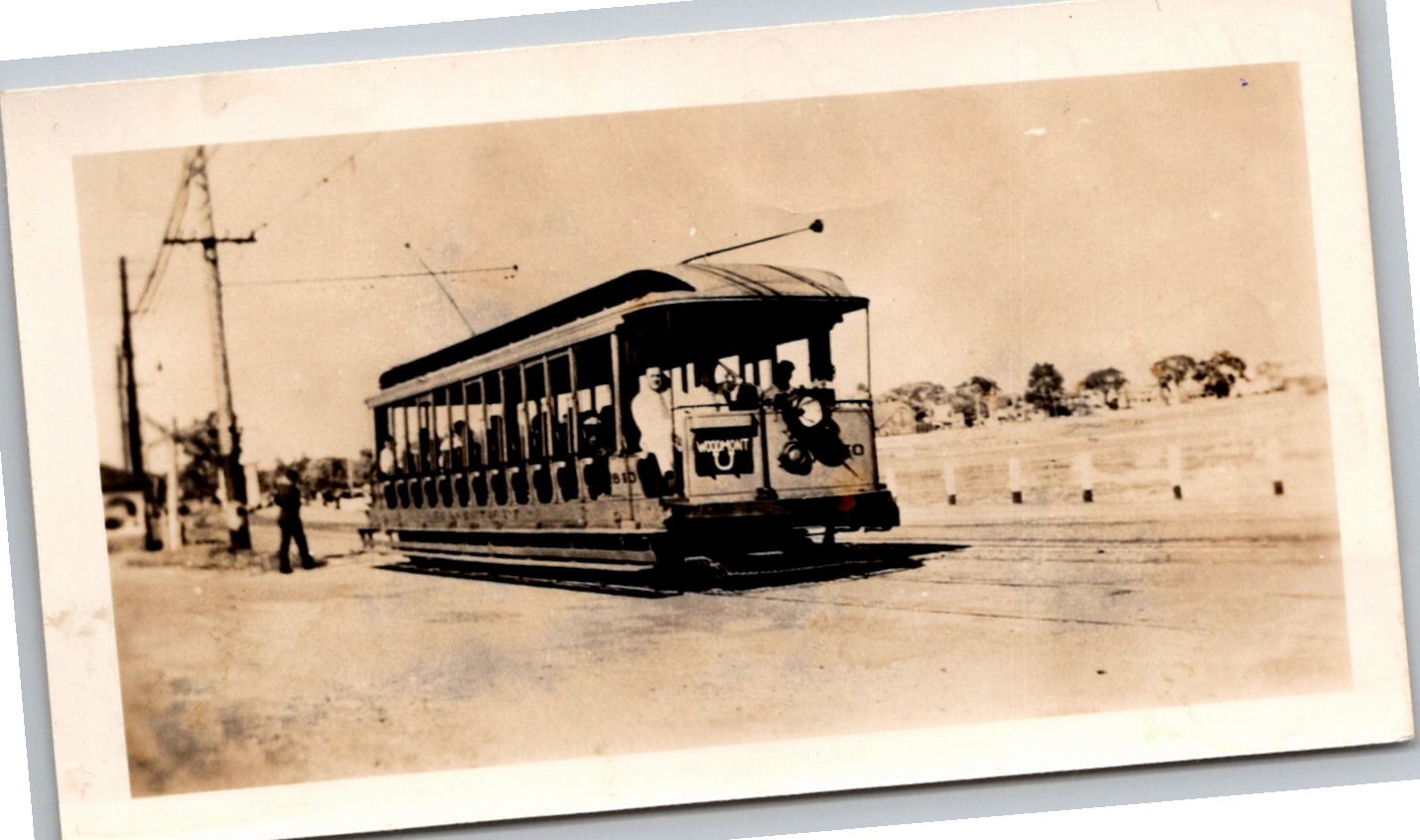
1935 Connecticut Company Open Trolley Car 840 Photo CT
📸 Click any thumbnail to inspect Front, Back & Angles (2 Photos)
🔗 Embed / Cite This Archival Image (Free with Attribution)Get HTML Code
© USA RESELL. Bloggers, historians, and website owners may embed this image for free by copying the HTML code below (which includes the required credit link back to this page):
USA RESELL is a living historical archive. Because original artifacts are one-of-a-kind and source records change rapidly, use the button above to check live marketplace availability or locate surviving examples. As an eBay Partner, we may earn a commission on qualifying purchases.
Item Specifications
- City: Warehouse Point
- State: Connecticut
- Country: United States
- Era: Vintage (1900-1939)
- Subject: Transportation Streetcar Trolley
- Theme: Transportation
- Category: Vintage Photography
- Format / Type: Vintage Photographs
Historical Context & Overview
This original vintage black-and-white photograph provides a fascinating glimpse into early 20th-century electric railway transit in New England. Captured in motion, the image showcases 15-bench open trolley car No. 840 operated by the famous Connecticut Company. The streetcar features classic open-sided architectural styling designed specifically for warm-weather commuting, complete with wooden bench seating, an overhead trolley pole drawing power from catenary wires, and passengers and crew visible on board.
The Golden Age of Connecticut Open Trolleys
During the peak of American electric traction history, the Connecticut Company served as the primary operator of extensive urban and interurban streetcar networks across the state of Connecticut. Open-bench trolley cars like Model 840 were immense favorites among daily commuters and excursionists during the hot summer months. Before the advent of modern air-conditioned mass transit, these open-sided cars offered a refreshing breeze as they navigated city streets and suburban tracks, connecting residential neighborhoods to parks, beaches, and commercial centers.
Archival Visual and Historical Details
The front apron of trolley car No. 840 displays a clearly legible destination sign reading "Woodmont," anchoring its operational routing history. The photo snapshot captures the vehicle along a paved right-of-way lined with utility poles and open countryside near Warehouse Point, Connecticut—a region renowned today for preserving American streetcar heritage.
Measuring precisely 4.5 by 2.5 inches, this piece is printed on classic glossy paper stock. The reverse side remains unprinted by any commercial photograph layout, featuring only period handwritten ink notations reading "840 - Conn Co. 15 bench open C.E.R. Warehouse Point". Offering strong contrast and crisp detail, this artifact remains in very good vintage condition with light, natural age toning, making it a valuable addition for transportation historians and railway enthusiasts alike.
Gelatin-Silver Craft and the C.E.R. Connection
Produced during the mid-1930s, this original snapshot exemplifies classic gelatin-silver print processing on fiber-based paper stock. The glossy finish preserves fine grain detail, capturing subtle tonal gradations across the wooden benchwork and steel undercarriage of Car 840. The handwritten inscription referencing "C.E.R. Warehouse Point" carries profound significance for transit historians. It links the image to early preservation efforts associated with the Connecticut Electric Railway Association at Warehouse Point, an organization formed to rescue and document disappearing open-bench streetcars just as municipal transit networks were converting to motor buses.
Collector Value and Archival Preservation
As authentic primary-source paper ephemera, candid mid-1930s photographs of working open streetcars are increasingly scarce. Railway collectors particularly value Car 840's strong visual clarity, which clearly delineates technical construction features such as the side step running boards and double-truck wheel assemblies. Proper long-term care of this fiber-based print involves storing it in archival-quality, acid-free polyester sleeves kept away from direct light and humidity extremes. Such preservation prevents silver mirroring and paper degradation, ensuring this 1935 document continues to enrich New England transportation archives.