Vintage 1940s Fastback Car & Rural Cabin Black & White Snapshot
📸 Click any thumbnail to inspect Front, Back & Angles (2 Photos)
As an eBay Partner, we may earn a commission if you make a purchase.
Item Specifications
- Era: 1940s
- Subject: Automotive & Rural Architecture
- Medium: Silver Gelatin Photography
- Style: Vernacular Photography
- Features: White Border
- Condition: Original Vintage Condition
- Category: Vintage Photography
- Format / Type: Snapshots
Looking for Modern Alternatives?
Explore top-rated, modern Vintage Photography and related historical accessories on Amazon.
Shop Vintage Photography on Amazon →As an Amazon Associate, we earn from qualifying purchases.
Historical Context & Overview
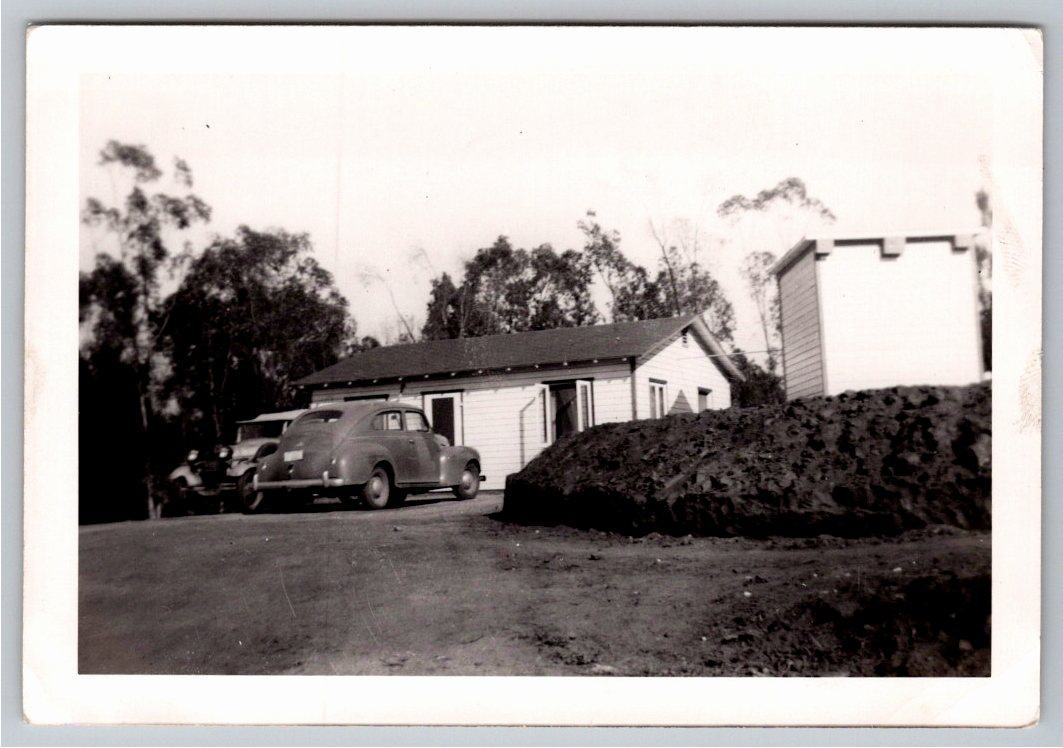
Captured on vintage black-and-white paper stock, this original 1940s snapshot offers a candid window into mid-century American life, where automotive design and rural living seamlessly intersected. The photograph features an iconic fastback sedan—a hallmark of mid-1940s vehicle styling—parked outside a classic clapboard cabin structure nestled against a wooded backdrop.
The Aerodynamic Evolution: 1940s Fastback Styling
During the late 1930s and into the post-World War II era, American automobile manufacturers embraced the influence of aviation and industrial streamlining. The fastback silhouette, characterized by a smooth, unbroken curve sloping gracefully from the roofline down to the rear bumper, became one of the most desirable body styles of the decade. Produced by major manufacturers such as Chevrolet, Pontiac, Ford, and Plymouth, these aerosedans represented modern speed, efficiency, and optimism.
In this image, the sleek, sloping rear end of the featured vehicle creates a striking visual contrast against the surrounding rustic environment. Parked alongside an earlier 1930s automobile, the scene nicely illustrates the transition between distinct automotive eras as older pre-war models shared the road—and driveway—with modern post-war transport.
A Glimpse into Mid-Century Rural Living
Beyond its automotive appeal, the photograph captures a compelling slice of vernacular architectural history. The central structure—a modest single-story building constructed with horizontal wood lap siding and multi-pane glass windows—evokes the quintessential American countryside cabin, roadside motel unit, or homestead office. To the right of the frame sits an elevated timber structure, likely serving as a water tower tank enclosure or agricultural storage shed, accompanied by a prominent mound of excavated earth.
The natural surroundings, populated by tall eucalyptus or hardwood trees, hint at a sunlit rural setting. Vernacular photography like this provides social historians with invaluable context regarding daily domestic routine, working environments, and property development during the 1940s home front and post-war construction boom.
Preserving Mid-20th-Century Vernacular Photography
Original candid snapshot photography remains one of the most authentic mediums for exploring mid-century history. Unlike staged commercial photography or polished magazine advertisements, private snapshots record real places, authentic vehicles, and unscripted moments in time. Printed on white-bordered photographic paper typical of the decade, this silver gelatin print serves as both a decorative piece of nostalgic Americana and an archival artifact for collectors of vintage transportation, architectural history, and mid-century ephemera.