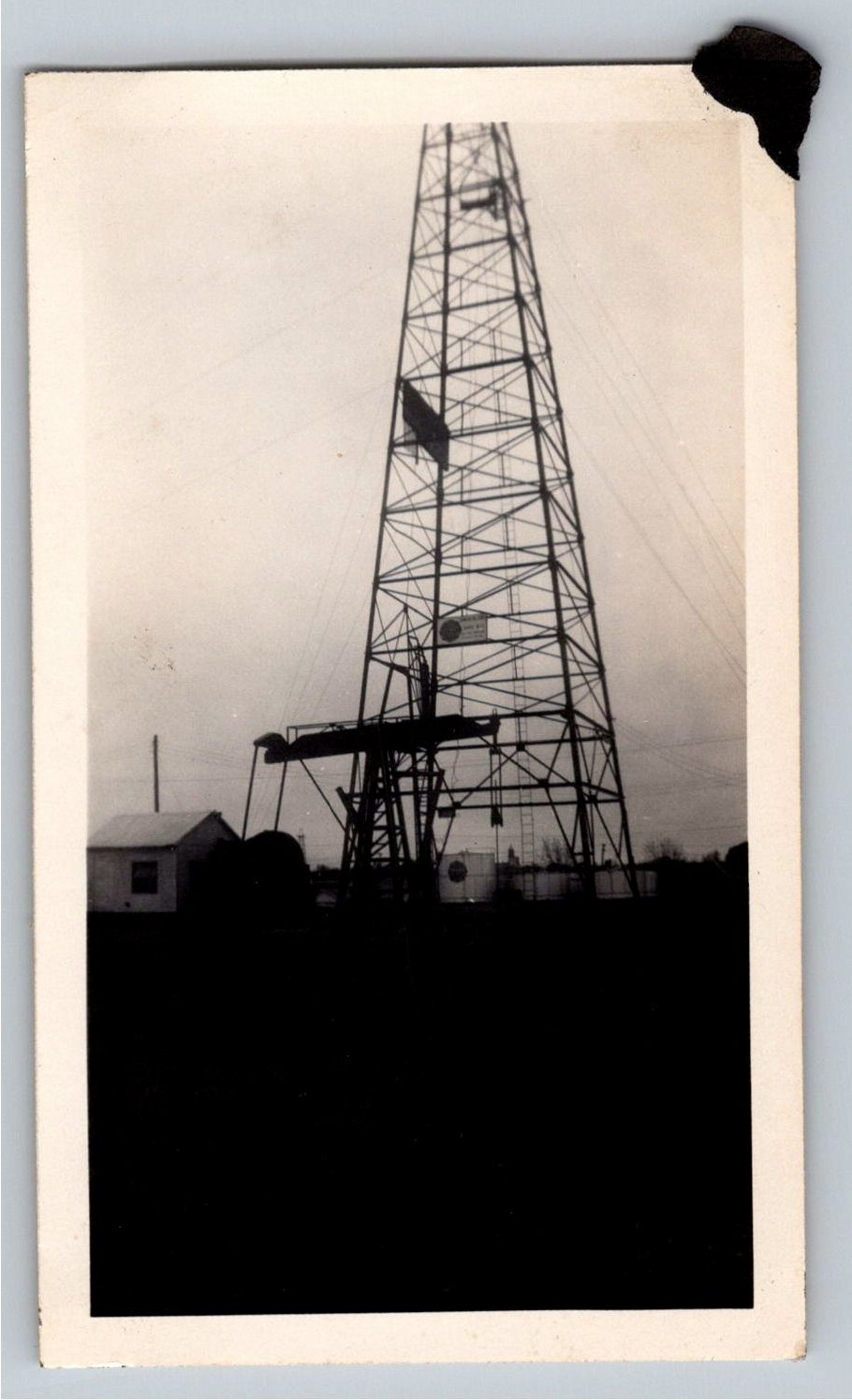
1945 Oklahoma City Oil Derrick Rig Tower Vintage Photo
📸 Click any thumbnail to inspect Front, Back & Angles (2 Photos)
🔗 Embed / Cite This Archival Image (Free with Attribution)Get HTML Code
© USA RESELL. Bloggers, historians, and website owners may embed this image for free by copying the HTML code below (which includes the required credit link back to this page):
USA RESELL is a living historical archive. Because original artifacts are one-of-a-kind and source records change rapidly, use the button above to check live marketplace availability or locate surviving examples. As an eBay Partner, we may earn a commission on qualifying purchases.
Item Specifications
- City: Oklahoma City
- State: Oklahoma
- Country: United States
- Era: 1940s
- Subject: Oil Derrick Petroleum Industry Drilling Rig
- Theme: Americana Industrial Energy
- Category: Vintage Photography
- Format / Type: Snapshots
Historical Context & Overview
Visual & Historical Overview of Mid-Century Oil Exploration
Rising dramatically against the horizon, this original vintage photograph captures an authentic steel lattice oil derrick located in Oklahoma City, Oklahoma. Photographed from a low perspective, the composition emphasizes the sheer scale and tapering verticality of the structural steel framework. Beneath the lattice framework sits the heavy pumping mechanism, complete with its walking beam assembly poised above the wellhead. Adjacent outbuildings, including an operational field shed, utility poles, and tensioned guide cables, anchor the industrial footprint within the flat midwestern landscape.
Dating to late 1945, this compelling scene reflects the relentless domestic energy output that sustained the nation through the conclusion of World War II and set the stage for the tremendous economic expansion that followed. The print captures a working production site in sharp contrast, with deep blacks emphasizing the solid mass of the machinery and stark steel girders etched against the paler sky. It serves as a striking visual document of industrial petroleum architecture during its mid-century zenith.
The Oklahoma City Oil Boom and Regional Significance
The discovery of the Oklahoma City Oil Field in December 1928 transformed the regional economy and quickly developed into one of the most prolific and densely drilled reservoirs in the United States. Unlike many isolated oil strikes in remote desert basins, Oklahoma City’s petroleum boom expanded directly through residential neighborhoods, commercial sectors, and even onto the grounds surrounding the State Capitol building. The sight of towering derricks standing in close proximity to everyday infrastructure became an iconic symbol of the Sooner State’s natural wealth and engineering prowess.
By November 1945, when this particular exposure was made, the petroleum fields across Oklahoma were transitioning from wartime production mandates to fueling the nation's burgeoning automotive culture and suburban migration. The reverse of the print bears delicate period pencil notation reading "Nov. 1945 / Okla. City," confirming its provenance during this critical transitional moment. Such personal snapshot documentation provides an unvarnished, authentic glimpse into the daily operations of oil workers and the ubiquitous presence of heavy industry in the Sooner State.
Provenance, Print Characteristics & Collector Appeal
Measuring approximately 2.7 by 4.7 inches, this piece is an authentic silver gelatin photograph developed on semi-gloss photographic paper stock. It features traditional narrow white margins framing the composition, characteristic of mid-1940s personal snapshot processing. The exposure remains rich in tonal gradation, preserving fine structural details from the intricate bracing of the tower ladder down to the structural lines of the walking beam assembly.
In terms of preservation, the photograph is in very good condition, exhibiting only mild edge handling and gentle corner softening typical of prints stored in family scrapbooks. A remnant of a black paper mounting corner remains attached to the upper margin, offering physical evidence of its archival history in a period album. Pristine from major folds, punctures, or surface abrasions, this historic photograph offers exceptional visual appeal for collectors of petroleum ephemera, Oklahoma regional history, and mid-century industrial Americana.