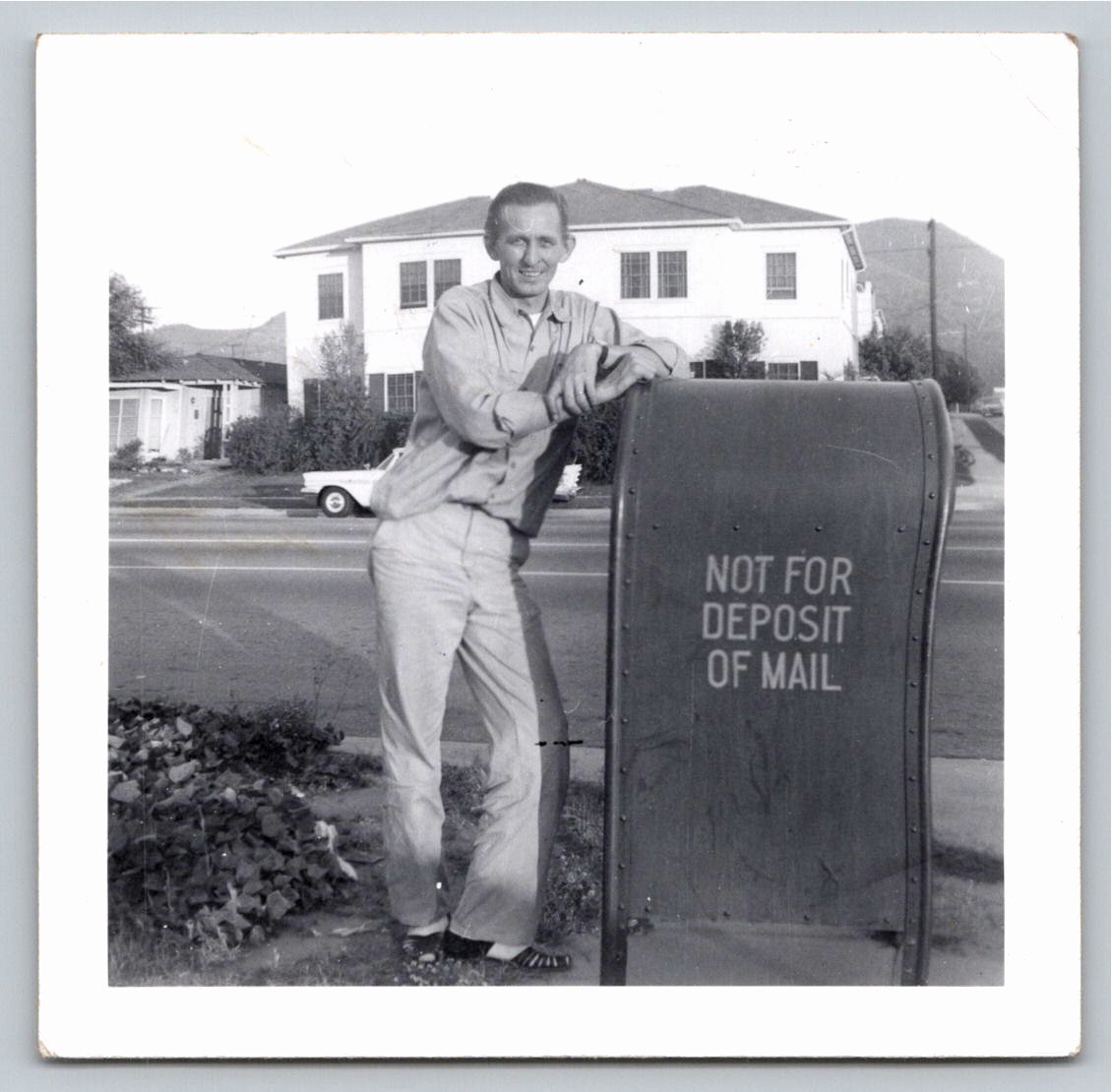
1959 US Mail Storage Box & Man Vintage Street Snapshot
📸 Click any thumbnail to inspect Front, Back & Angles (2 Photos)
🔗 Embed / Cite This Archival Image (Free with Attribution)Get HTML Code
© USA RESELL. Bloggers, historians, and website owners may embed this image for free by copying the HTML code below (which includes the required credit link back to this page):
USA RESELL is a living historical archive. Because original artifacts are one-of-a-kind and source records change rapidly, use the button above to check live marketplace availability or locate surviving examples. As an eBay Partner, we may earn a commission on qualifying purchases.
Item Specifications
- City: Unspecified
- Country: United States
- Era: 1950s
- Subject: Mailbox Letter Carrier Storage Box Postal History Street Scene
- Theme: Americana
- Year of Production: 1959
- Category: Vintage Photography
- Format / Type: Snapshots
Historical Context & Overview
Mid-Century Street Scene and Curbside Americana
Dating precisely to June 1959, this evocative square snapshot offers a candid glimpse into everyday mid-century American life. The photograph captures a slender, cheerful man leaning casually against an official curbside postal storage relay container. Stenciled boldly across the front of the curved metal receptacle are the functional words "NOT FOR DEPOSIT OF MAIL," creating an amusing visual irony as the subject lounges effortlessly against the governmental fixture. His relaxed pose, dressed in a collared work shirt, light cuffed trousers, and woven summer sandals, encapsulates post-war leisure and working-class style.
The surrounding environment further anchors the scene in the late 1950s suburban landscape. Set against a wide paved boulevard, a classic late-fifties finned passenger automobile sits parked across the way. In the background stands a sprawling two-story stucco residential dwelling, while arid, rolling hills rise gently in the distance, evoking the architecture and climate typical of Southern California or the American Southwest during the height of post-war suburban development.
Postal Relay Boxes and the Foot Carrier Era
The centerpiece object of the photograph—the sturdy curbside relay box—holds a vital place in the history of the United States Post Office Department. Unlike regular collection mailboxes intended for public drop-offs, these specialized storage units were strategically stationed along municipal carrier routes. Truck drivers would drop off heavy satchels of bundled correspondence inside these locked green or olive containers, allowing foot letter carriers to reload their sacks throughout the day without having to trek back to the central post office station.
The handwritten inscription on the reverse adds personal wit to the postal history on display. Penned in vintage blue ballpoint ink, the caption reads "June '59 / Tommy / Being mailed out." This clever commentary reflects the playful humor of the photographer and subject, poking fun at the stern governmental prohibition stenciled upon the box. Next to the cursive writing, a crisp photofinishing sequence number "468" appears stamped along the margin, marking the commercial laboratory processing typical of family snapshot rolls in the late 1950s.
Print Characteristics, Condition, and Collector Significance
This authentic square photograph is an original gelatin-silver print measuring approximately 3.5 by 3.4 inches, preserved on traditional heavy photographic stock with a subtle semi-gloss finish. The composition displays classic square-format framing, a hallmark of mid-century roll-film cameras such as the Kodak Brownie or similar medium-format twin-lens reflex models favored by amateur photographers of the period. The tonal values remain remarkably vibrant, displaying rich blacks, clean highlights, and delicate mid-tones that define the textures of the subject's clothing and the cast-metal seams of the postal container.
Preservation of the print is very good, showing only minimal, expected corner handling along the white peripheral borders consistent with careful album storage over several decades. The surface is free from heavy cracks, tears, or disfiguring soil. For collectors of vernacular photography, vintage transportation scenes, and postal ephemera, this piece stands out as a genuine artifact combining municipal utility, automotive nostalgia, and human warmth.