1950s Italian Vernacular Architecture House Photo Print
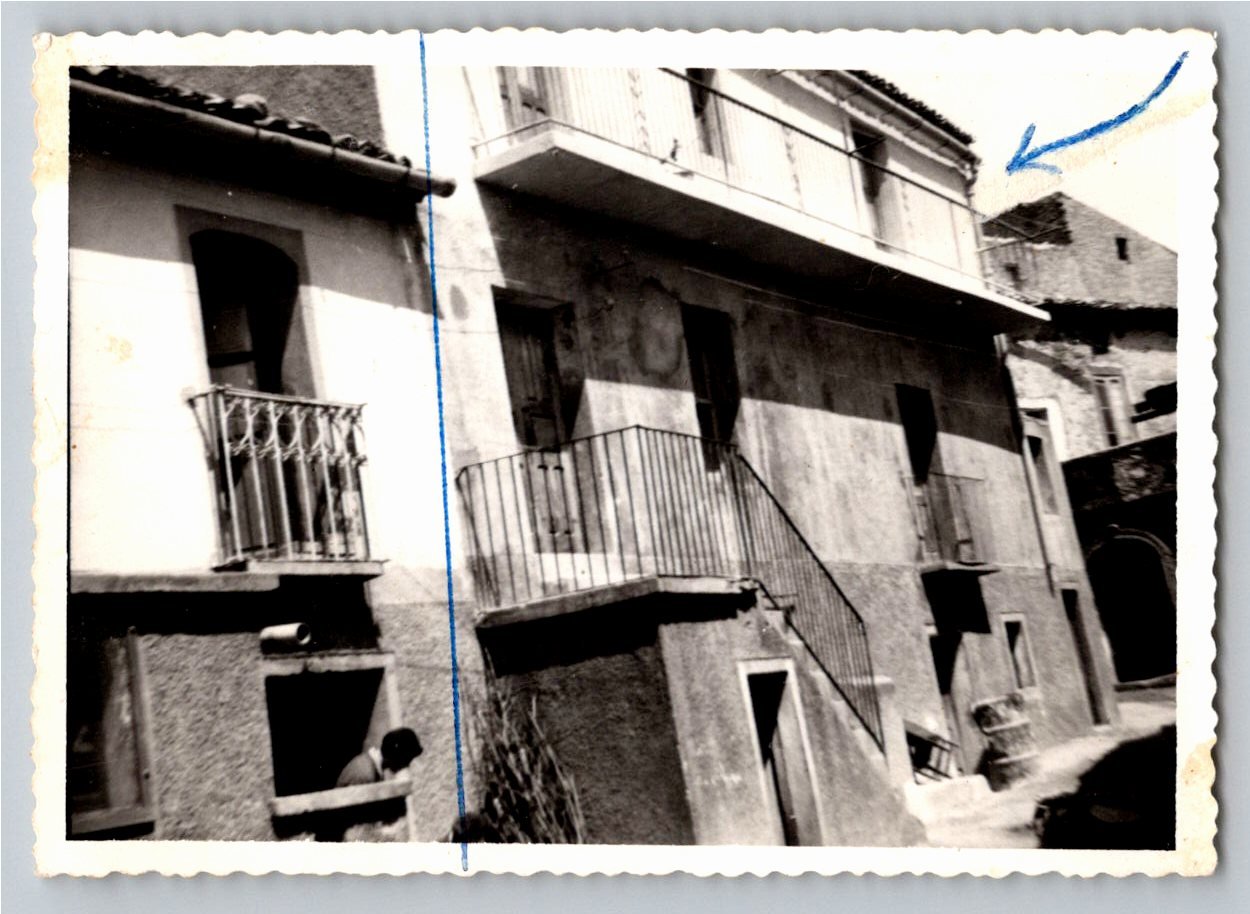
📸 Click any thumbnail to inspect Front, Back & Angles (2 Photos)
🔗 Embed / Cite This Archival Image (Free with Attribution)Get HTML Code
© USA RESELL. Bloggers, historians, and website owners may embed this image for free by copying the HTML code below (which includes the required credit link back to this page):
USA RESELL is a living historical archive. Because original artifacts are one-of-a-kind and source records change rapidly, use the button above to check live marketplace availability or locate surviving examples. As an eBay Partner, we may earn a commission on qualifying purchases.
Item Specifications
- City: Unspecified
- Country: Italy
- Era: 1950s
- Subject: Architecture Houses Italy
- Theme: Architecture Domestic and Family Life
- Time Period Manufactured: 1950-1959
- Category: Vintage Photography
- Format / Type: Snapshots
Historical Context & Overview
Mid-Century Italian Domestic Architecture and Streetscapes
This striking original vintage gelatin silver photograph captures the essence of mid-century Italian vernacular building traditions under the harsh Mediterranean sun. The composition centers on an evolving multi-level residential structure constructed from stucco and traditional masonry, reflecting the resilient spirit of domestic rebuilding in post-war Italy. Notable architectural elements include a prominent poured upper terrace with minimalist iron railings, projecting Juliet balconies with decorative scrollwork, and an ascending exterior masonry stairway framed by utilitarian railings. Eaves lined with terra-cotta barrel tiles cap the roofline, firmly rooting the scene in southern European regional craft.
Adding a narrative human dimension to this architectural study is a figure captured leaning through an open ground-level window. This candid inclusion grounds the physical geometry of the facade in daily living, turning an otherwise static structural portrait into an intimate glimpse of neighborhood life. Sunlight cuts diagonally across the textured stucco walls, casting deep linear shadows that accentuate the stair risers and balcony cantilevers, conveying the spatial density typical of historic hillside or village alleyways.
Personal Correspondence and the Post-War Building Boom
Beyond its aesthetic merit, this photograph functions as an authentic primary document of post-war Italian family life and property ownership. On the face of the print, period blue ballpoint annotations include a vertical dividing line and a deliberate arrow pointing directly at the expansive upper balcony level. These markings correspond directly to the typed message preserved on the reverse, written in Italian: "Questa casa grande è la nostra, ovvero dove c'è la grande balconata. Ancora non è finita, quando siamo alla fine ne faccio un'altra e te la mando. Infiniti saluti tuo indimenticabile nipote Luigi Barbaro.-"
Translated as a progress report from an "unforgettable nephew" named Luigi Barbaro, the message illustrates how personal snapshots circulated among extended family members—often sent to relatives who had migrated abroad or relocated to major industrial cities. Luigi proudly identifies his family's portion of the building by highlighting the large balcony, explaining that construction remains ongoing and promising a follow-up image once works conclude. The piece preserves a direct link to the widespread phenomenon of self-directed family housing expansion that defined mid-century Italy.
Physical Characteristics, Provenance, and Curatorial Details
The photograph is developed on vintage semi-gloss silver gelatin photographic paper, trimmed with classic scalloped deckled borders that typify amateur and regional laboratory processing in Europe throughout the 1950s. The physical print measures precisely 3.9 inches by 2.7 inches, making it a tactile pocket-sized artifact designed for transatlantic mailing or personal keepsake albums. The reverse remains unprinted without machine photograph typography, instead bearing clean mechanical type from a manual ribbon typewriter alongside minimal age-related toning.
Condition is remarkably well preserved for a working snapshot of this vintage. The print displays light handling along its ornamental deckled perimeter, minor edge wear, and delicate spotting on the blank reverse consistent with age. The blue ink annotations on both sides remain crisp and stable, preserving the authentic hand of the original author. It represents an exceptional collectible for specialists in vernacular European architecture, mid-century social history, and vernacular photography.