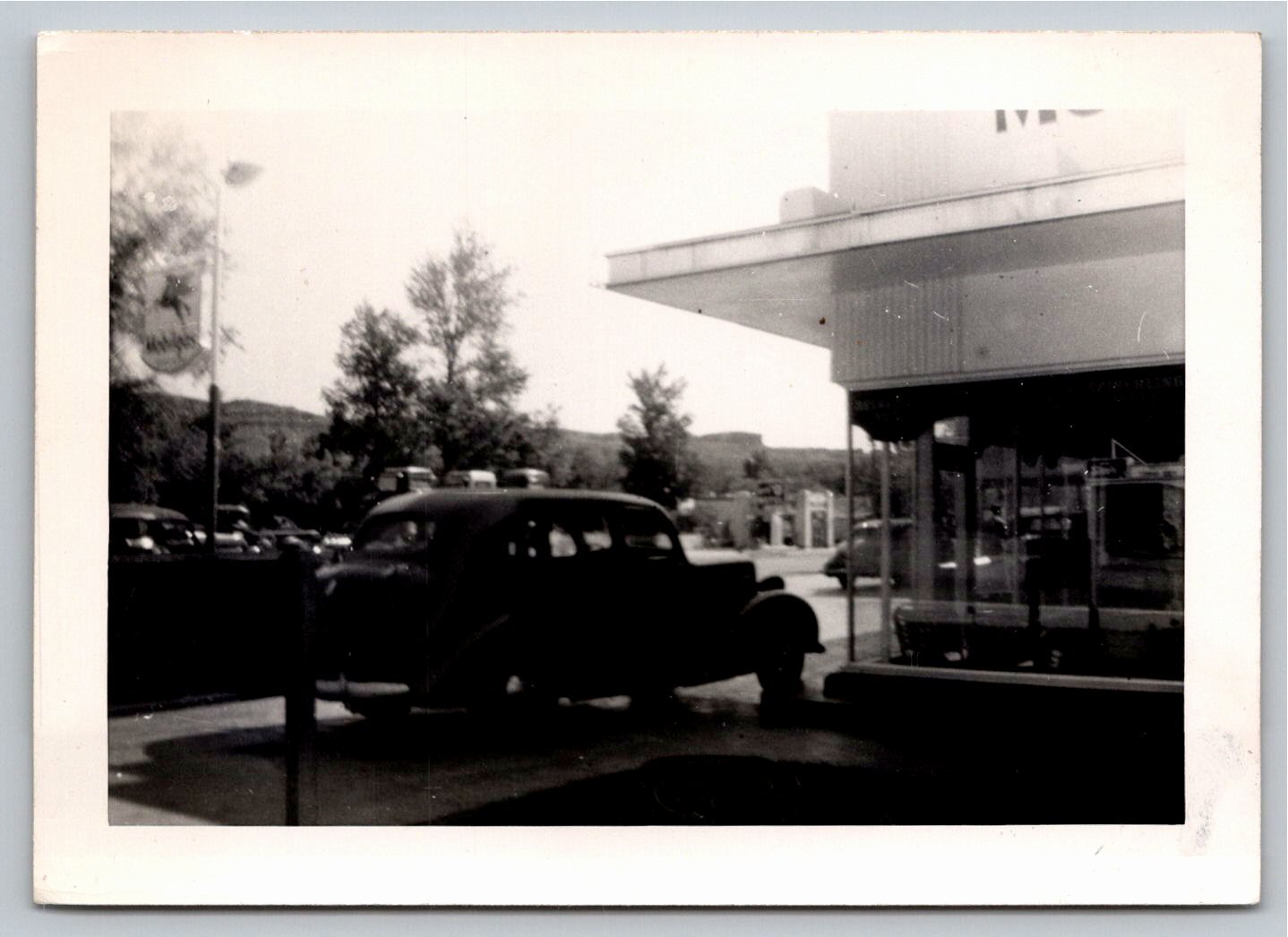
1940s Mobilgas Service Station Car Pegasus Sign Photo
📸 Click any thumbnail to inspect Front, Back & Angles (2 Photos)
🔗 Embed / Cite This Archival Image (Free with Attribution)Get HTML Code
© USA RESELL. Bloggers, historians, and website owners may embed this image for free by copying the HTML code below (which includes the required credit link back to this page):
USA RESELL is a living historical archive. Because original artifacts are one-of-a-kind and source records change rapidly, use the button above to check live marketplace availability or locate surviving examples. As an eBay Partner, we may earn a commission on qualifying purchases.
Item Specifications
- City: Unspecified
- Country: United States
- Era: 1940s
- Subject: Mobilgas Service Station Classic Car Pegasus Sign
- Theme: Transportation Americana Gas and Oil
- Time Period Manufactured: 1940-1949
- Category: Vintage Photography
- Format / Type: Snapshots
Historical Context & Overview
Visual & Historical Overview: A Mid-Century Automotive Vista
This striking original vintage gelatin silver snapshot offers an authentic window into mid-century American road culture. The composition centers on a streamlined late 1930s or early 1940s automobile parked beside a bustling, modern service station. Prominently framed on the right is the station’s cantilevered canopy roofline and expansive plate-glass showroom windows, revealing a clean, streamlined industrial design characteristic of roadside architecture in the 1940s. Shadows pool beneath the automobile, emphasizing its bold fenders and curvaceous silhouette against the paved apron.
To the far left of the frame, mounted high on a curbside stanchion, stands the unmistakable shield-shaped sign bearing the famous Mobilgas Pegasus logo. Beyond the station lot, the landscape opens to gentle rolling hills and dense foliage, indicating a pleasant semi-rural highway junction or suburban thoroughfare. Background traffic and utility poles add depth to the setting, encapsulating the quiet mobility of everyday Americans setting out along highway corridors during the 1940s.
Deeper History: Mobilgas Architecture and the Pegasus Icon
The presence of the Mobilgas Pegasus shield connects this image directly to the storied corporate heritage of the Socony-Vacuum Oil Company, later known simply as Mobil. Originating in the 1930s as a symbol of speed, purity, and power, the red flying horse became one of the most celebrated trademarks in American petroleum advertising. Service stations bearing this insignia were redesigned during this period to project cleanliness, dependability, and modernity, featuring open glass storefronts, polished service bays, and protective overhead canopies that welcomed long-distance travelers.
The reverse side of the snapshot bears an authentic photo finisher stamp reading "392 C" along the margin, a standard marking used by commercial darkroom processors to keep track of customer film rolls. Lacking any pre-printed photograph back, dividing lines, or address fields, the piece represents a pure vernacular snapshot—a personal, unstaged photograph preserved by a motorist documenting a memorable road trip or local filling station visit during the golden age of American highway exploration.
Physical Attributes, Provenance, and Collector Appeal
Measuring approximately 4.5 by 3.2 inches, the photograph is developed on genuine period photographic paper with a classic smooth semi-gloss finish. The gelatin silver emulsion retains strong tonal delineation, from the deep shadows enveloping the parked vehicle to the crisp highlights along the station's white architectural overhang and the light-dappled hillside in the distance. A clean white border encloses the image, framing the vintage vignette exactly as it emerged from the processing tank decades ago.
The physical condition is remarkably sound, displaying neat square cut edges, natural age-appropriate warmth on the reverse paper stock, and very minor handling wear consistent with careful historic storage. For enthusiasts of petroleum advertising, vintage automobilia, and vernacular 1940s Americana, this snapshot serves as a tangible, frameable relic capturing the essence of early highway travel and iconic roadside service architecture.