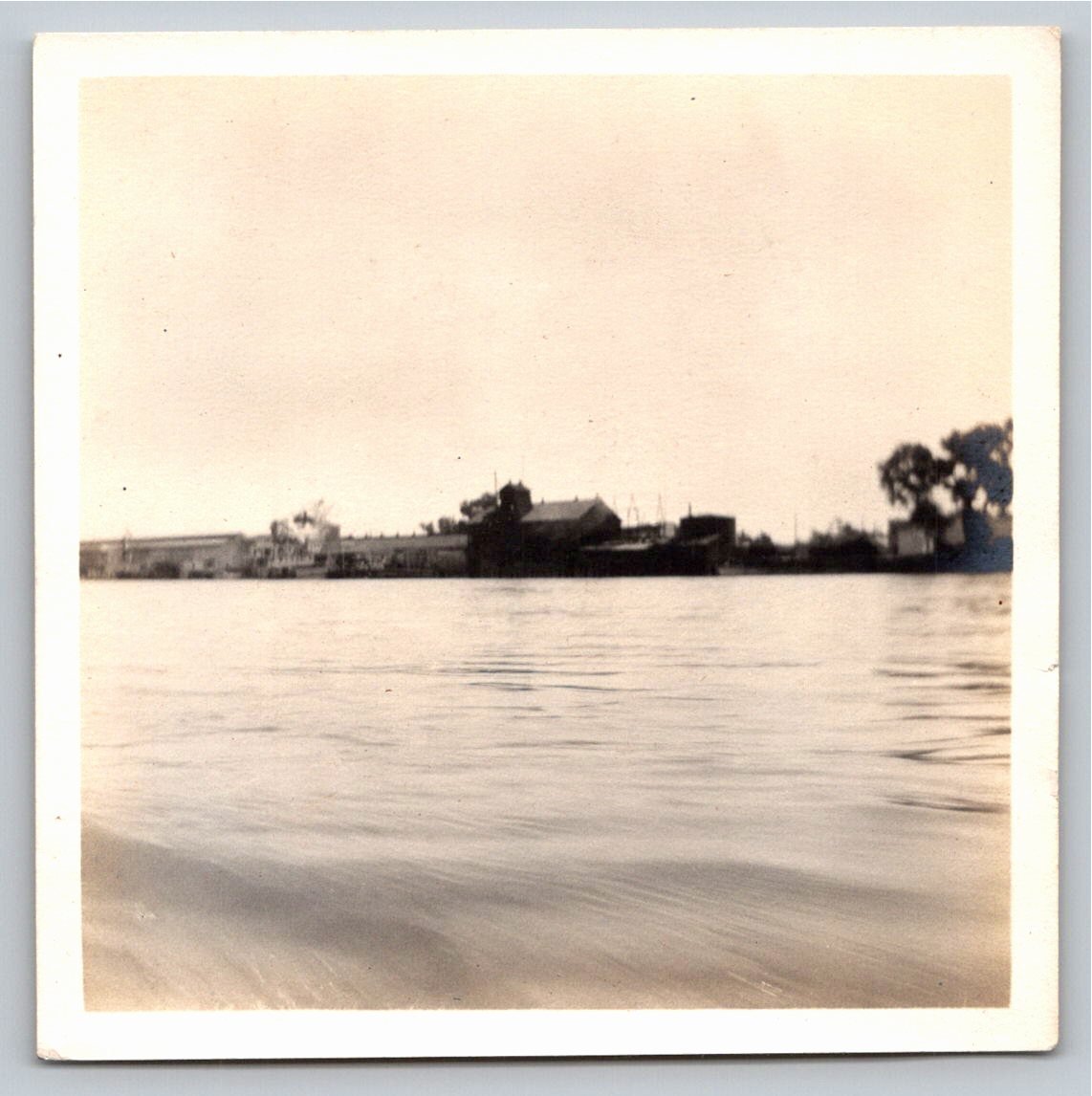
1940s Sacramento River Waterfront Industrial Wharf Photo
📸 Click any thumbnail to inspect Front, Back & Angles (2 Photos)
🔗 Embed / Cite This Archival Image (Free with Attribution)Get HTML Code
© USA RESELL. Bloggers, historians, and website owners may embed this image for free by copying the HTML code below (which includes the required credit link back to this page):
USA RESELL is a living historical archive. Because original artifacts are one-of-a-kind and source records change rapidly, use the button above to check live marketplace availability or locate surviving examples. As an eBay Partner, we may earn a commission on qualifying purchases.
Item Specifications
- City: Sacramento
- State: California
- Country: United States
- Era: Mid-Century
- Subject: Sacramento Waterfront River Industrial Wharf
- Theme: Americana
- Category: Vintage Photography
- Format / Type: Snapshots
Historical Context & Overview
Visual & Historical Overview: The Sacramento Working Riverfront
This mid-century square snapshot offers an evocative, atmospheric view looking across the broad expanse of the Sacramento River toward the bustling industrial shoreline of California's capital city. Shot from water level or a low-slung river craft, the lower portion of the frame is dominated by the gentle swell and rippling textures of the inland waterway. Across the current, the riverbank reveals a dense cluster of commercial warehouses, wooden dock works, pitched rooflines, and utilitarian loading structures that formed the backbone of the region's mid-century shipping economy.
The composition is naturally framed on the right by mature riverside trees, providing a striking contrast between the verdant natural levee banks and the stark silhouette of maritime industry. Bathed in soft daylight beneath an open sky, the photograph captures the quiet rhythm of California's Central Valley transportation corridor during a transitional era, just as traditional river barge traffic was adapting alongside expanding highway and railway freight networks.
Inland Maritime Heritage and Vernacular Documentation
Throughout the nineteenth and twentieth centuries, the Sacramento River served as the vital artery connecting agricultural heartlands and inland factories directly to San Francisco Bay and global export markets. Wharves and processing sheds along the Sacramento shoreline bustled with trade, receiving produce, lumber, grain, and manufactured goods. This particular viewpoint documents an unvarnished, authentic section of the working wharf, free from tourist staging, reflecting the true working character of Northern California's inland ports before modern riverfront redevelopments transformed the cityscape.
The reverse side of the print bears an authentic period inscription penciled in neat cursive along the upper margin, stating "Sacramento water-front." Free from commercial publisher logos, photograph formatting, or mass-distribution markings, the piece stands as an authentic piece of vernacular American photography. It preserves a fleeting, candid moment recorded by an everyday traveler or local resident who paused to document the industrial skyline from the river's edge.
Physical Characteristics, Condition, and Collector Appeal
Measuring approximately 3.5 by 3.5 inches, this square snapshot exemplifies the domestic roll-film prints popular throughout the 1940s and 1950s. The image is framed by its original classic white margins on traditional fiber-based photographic stock. The print exhibits a pleasing tonal range, balancing soft sepia-tinged highlights with defined mid-tones across the water and architecture, displaying gentle, authentic age-toning and subtle natural surface patina consistent with careful preservation over several decades.
Structurally, the photographic paper remains remarkably sound, retaining clean margins and firm corners without heavy creasing, paper loss, or surface tearing. For enthusiasts of California history, regional maritime transportation, Sacramento civic heritage, and candid mid-century American photography, this original snapshot represents a compelling, historic primary source from an iconic inland waterway.