1913 St. Louis Floral Postcard: Embossed Pink Roses with Gold
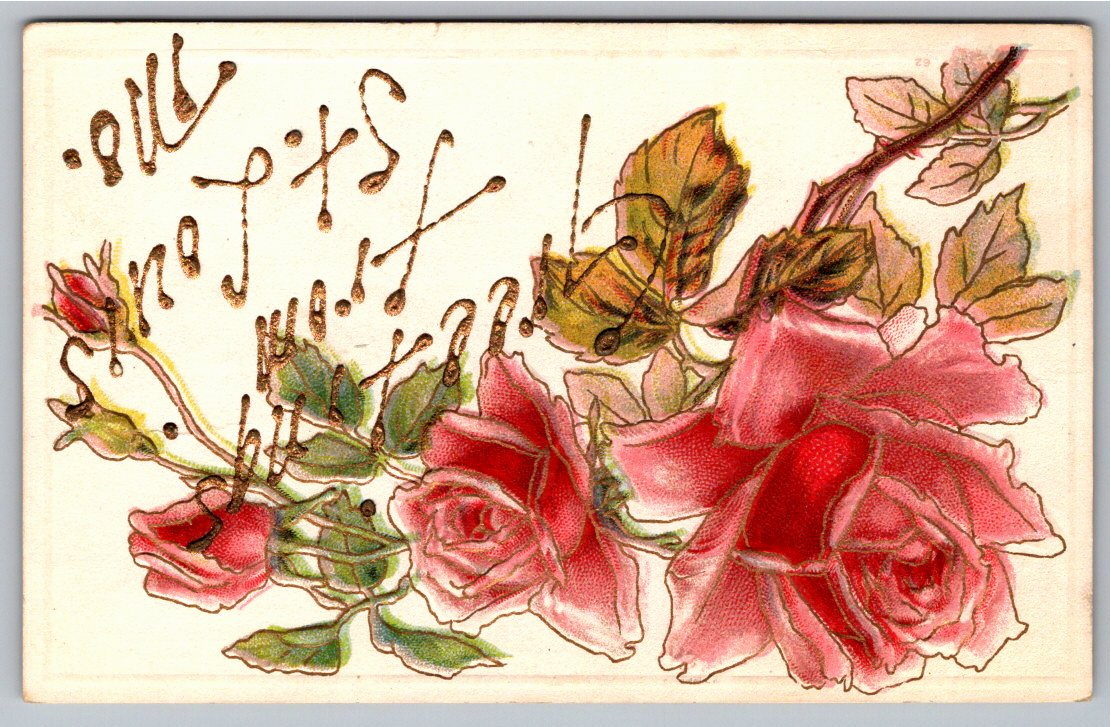
📸 Click any thumbnail to inspect Front, Back & Angles (2 Photos)
As an eBay Partner, we may earn a commission if you make a purchase.
Item Specifications
- Era: Divided Back (1907–1915)
- Postmark Date: November 14, 1913
- Origin Location: St. Louis, Missouri
- Destination Location: Gallatin, Missouri
- Subject: Pink Roses Floral Greeting
- Features: Embossed Relief, Gold Glitter Accents
- Category: Postcards & Ephemera
- Format / Type: Vintage Postcards
Looking for Modern Alternatives?
Explore top-rated, modern Postcards & Ephemera and related historical accessories on Amazon.
Shop Postcards & Ephemera on Amazon →As an Amazon Associate, we earn from qualifying purchases.
Historical Context & Overview
The Artistry of Early 20th-Century Floral Postcards
During the Golden Age of Postcards (1907–1915), publishers transformed ordinary cardstock into tactile art pieces. This 1913 postcard showcases the lavish embossing and embellishment techniques that made floral greetings a popular medium for social expression. The front features deeply sculptural pink rose blossoms surrounded by rich green foliage, highlighted with raised, sparkling gold accents that frame the romantic design.
High-end greeting cards from this period frequently incorporated heavily textured dies and gilded finishes. German master printers dominated the industry during this period, perfecting multi-layer lithography and relief embossing to produce three-dimensional effects that caught the light. The vibrant hues of deep crimson and delicate blush pink were achieved through multi-color chromolithographic printing, ensuring each petal retained remarkable depth and realism.
A Sentimental Message from St. Louis
Turning the card over reveals a fascinating snapshot of everyday American life in late 1913. The postal side carries a clean, circular postmark from Saint Louis, Missouri, dated November 14, 1913, at 8:00 PM. A classic green 1-cent George Washington stamp (US Postage) remains firmly affixed in the top right corner, representing the standard domestic rate for postcard mailings during the era.
Written in clear, flowing cursive, the message offers a brief yet warm personal connection sent from a son named Homer to his family back home:
"St. Louis Mo Nov. 14 / 913. Dear Parents, I hope this will find you all well. Good Bye for this time. Homer."
The postcard is addressed to Mr. and Mrs. R. B. Trotter of Gallatin, Missouri, connecting urban St. Louis to rural Daviess County in Northwest Missouri via the United States Postal Service's expanding rail network.
Collecting Divided Back Ephemera
Historical Context and Preservation
The Divided Back era began in the United States in March 1907 when the Post Office permitted senders to write messages on the left side of the back, leaving the right side exclusively for the recipient's address. Prior to this innovation, notes had to be scrawled directly across the front image.
For paper ephemera collectors and local historians, postal artifacts like this provide both visual splendor and genealogical value. The crisp embossing, intact gilding, and clear postmark make this piece a fine representative example of Edwardian-era greeting cards and early Missouri postal history.