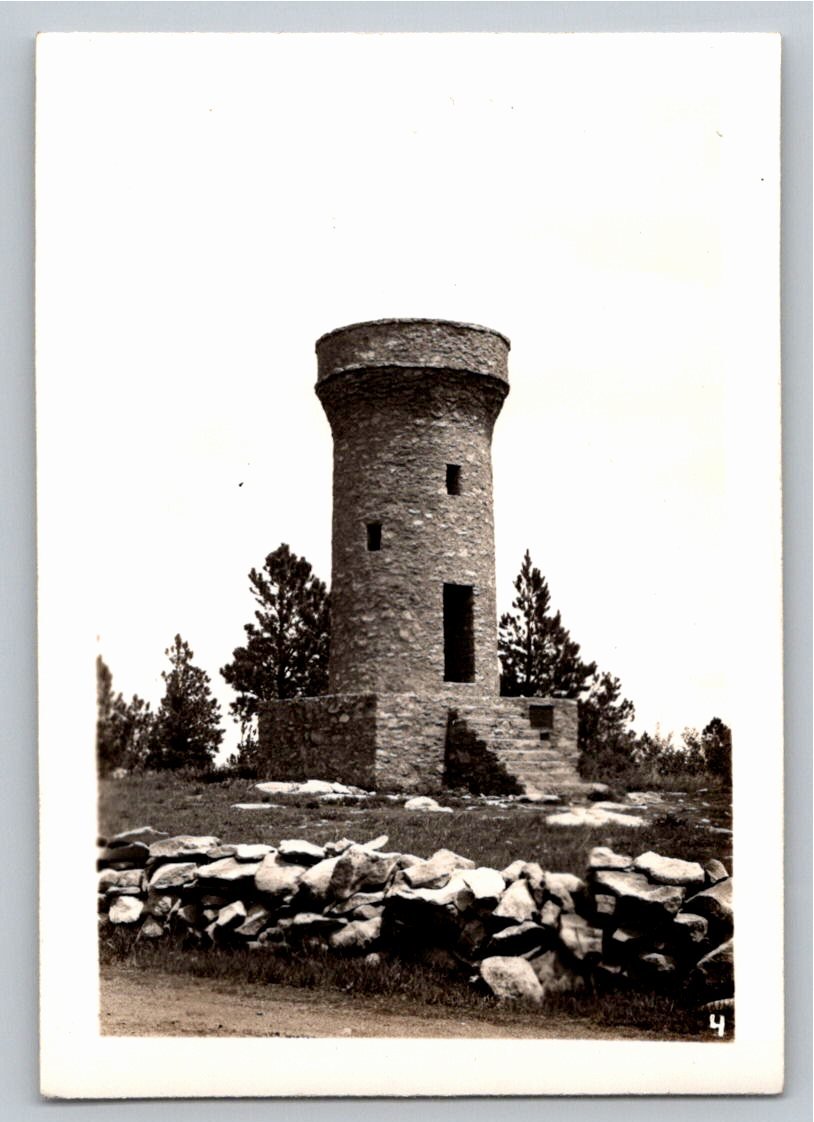
1920s Mount Tom Stone Tower Morris Connecticut Photo
📸 Click any thumbnail to inspect Front, Back & Angles (2 Photos)
🔗 Embed / Cite This Archival Image (Free with Attribution)Get HTML Code
© USA RESELL. Bloggers, historians, and website owners may embed this image for free by copying the HTML code below (which includes the required credit link back to this page):
USA RESELL is a living historical archive. Because original artifacts are one-of-a-kind and source records change rapidly, use the button above to check live marketplace availability or locate surviving examples. As an eBay Partner, we may earn a commission on qualifying purchases.
Item Specifications
- City: Morris
- State: Connecticut
- Country: United States
- Era: 1920-1929
- Subject: Observation Tower
- Theme: Americana
- Category: Vintage Photography
- Format / Type: Snapshots
Historical Context & Overview
Visual and Architectural Overview of the Mount Tom Lookout
Rising starkly against the open sky, the stone observation tower atop Mount Tom represents one of western Connecticut’s most recognizable early 20th-century civic landmarks. Captured in this sharp 1920s black-and-white snapshot, the tower commands the peak within Mount Tom State Park, positioned on the border between the historic towns of Morris and Litchfield. The photograph highlights the rugged silhouette of the structure, featuring its circular masonry shaft ascending from a raised rectangular fieldstone platform, flanked by rustic approach stairs and bounded in the foreground by a classic dry-laid New England stone wall.
The visual composition emphasizes the harmony between the architectural stonework and the rugged Litchfield Hills topography. Constructed with slit windows reminiscent of medieval defensive architecture and topped by a crenellated upper observation deck, the building reflects the early "parkitecture" philosophy that sought to blend functional tourist facilities into natural landscapes. Surrounding evergreens and scattered summit boulders frame the scene, documenting how pristine the park environment remained within its initial decade of public enjoyment.
History and Construction of John DaRoss's Summit Masterpiece
Erected in 1921, the Mount Tom Tower was built under the skilled masonry supervision of local builder John DaRoss. The tower stands 34 feet tall and was constructed almost entirely from native dark gneiss gathered directly from the mountain's summit ridge. This method of sourcing local stone not only solved the logistical challenge of hauling heavy building materials up the steep incline but also ensured that the tower matched the natural color, texture, and geological character of its prominent perch over 1,300 feet above sea level.
Mount Tom State Park itself was established following a generous bequest of land to the State of Connecticut by Charles H. Senff in 1915, making it one of the earliest preserved recreational reservations in the state park system. The tower was intended to serve both as a scenic viewing platform for visitors—offering panoramic vistas stretching across Massachusetts, New York, and Long Island Sound on clear days—and as a valuable fire lookout post for regional forest wardens monitoring the heavily wooded Litchfield County valleys below.
Physical Attributes, Archival Condition, and Collector Provenance
Printed on authentic 1920s silver gelatin photographic paper, this original snapshot measures approximately 2.4 inches by 3.4 inches. The print showcases an exceptional range of tonal contrast, exhibiting deep, rich blacks in the shaded masonry and crisp midtones that clearly outline each individual stone laid into the round tower walls. In the lower right corner, an archival production negative number "4" appears in crisp white, matching a violet hand-stamped number "4" centered across the lower reverse side.
The reverse remains entirely clean and unwritten, showing no scrapbook adhesive, album paper remnants, or postal markings. The card edges are straight and well-preserved, exhibiting only slight, natural age toning along the white border margins consistent with careful historical album storage. As an early visual document of Connecticut's public conservation movement and rustic stone craft, this snapshot remains an engaging piece of regional Americana for architectural historians and New England ephemera collectors alike.