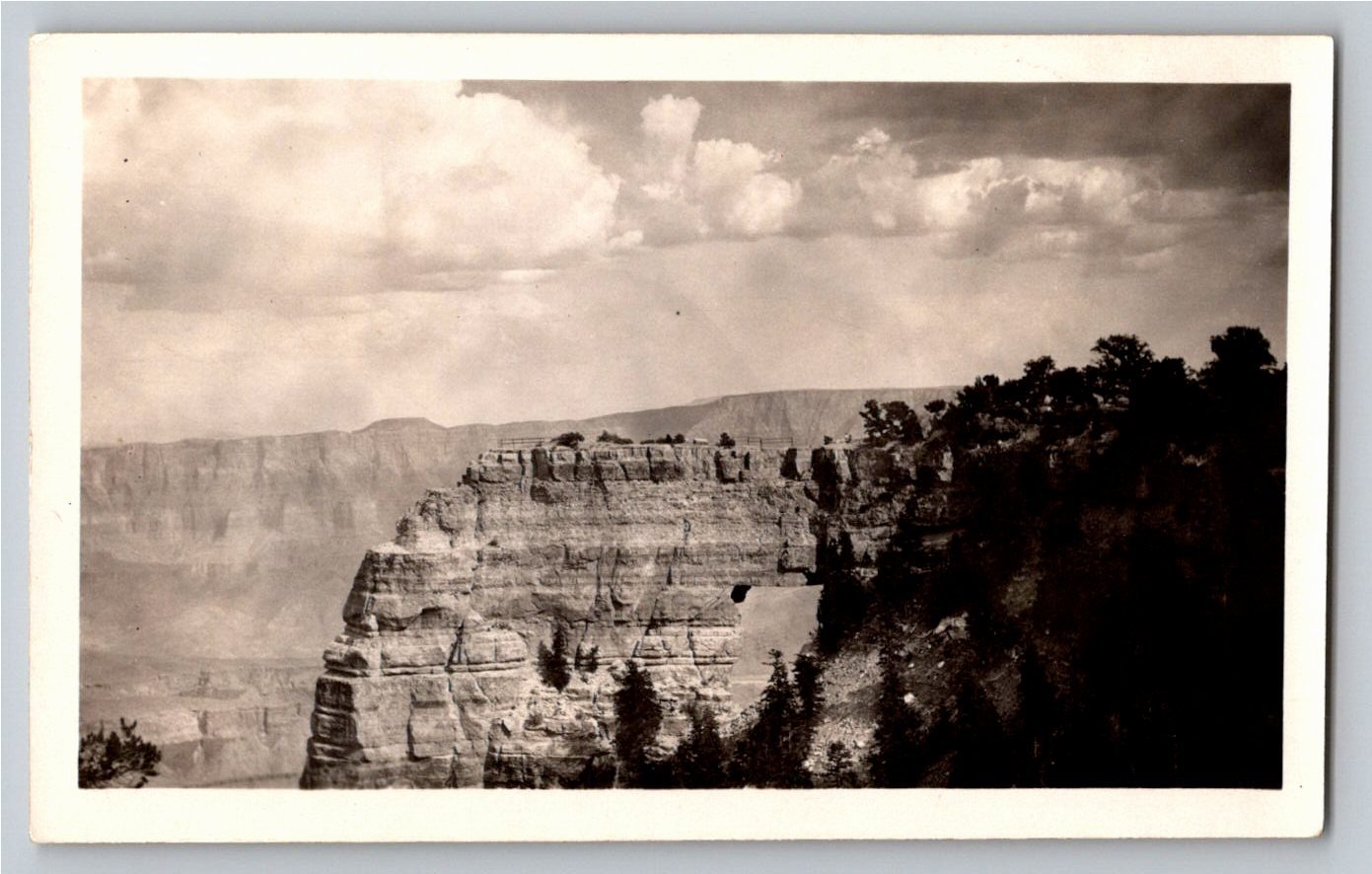
1932 Cape Royal Grand Canyon North Rim Vintage Photo
📸 Click any thumbnail to inspect Front, Back & Angles (2 Photos)
🔗 Embed / Cite This Archival Image (Free with Attribution)Get HTML Code
© USA RESELL. Bloggers, historians, and website owners may embed this image for free by copying the HTML code below (which includes the required credit link back to this page):
USA RESELL is a living historical archive. Because original artifacts are one-of-a-kind and source records change rapidly, use the button above to check live marketplace availability or locate surviving examples. As an eBay Partner, we may earn a commission on qualifying purchases.
Item Specifications
- Type: Photograph
- Original/Licensed Reprint: Original
- Year of Production: 1932
- Time Period Manufactured: 1930-1939
- Era: Pre-WWII
- Theme: Americana
- Category: Vintage Photography
- Format / Type: Snapshots
Historical Context & Overview
Visual & Historical Overview of Cape Royal
Captured on the late afternoon of August 24, 1932, this authentic vintage snapshot presents an expansive view of Cape Royal, one of the most celebrated viewpoints along the North Rim of the Grand Canyon in Arizona. The composition emphasizes the monumental Kaibab limestone escarpments jutting dramatically into the vast canyon abyss. In the foreground and midground, the sheer promontory is defined by rugged horizontal stratification, weathered joint fractures, and resilient conifer vegetation clinging to the cliff face. A distinct natural rock window perforates the stone bridge, illustrating the erosive forces that continue to shape this iconic geological wonder.
Along the uppermost rim of the precipice, subtle rustic railings and viewing paths are discernable, signifying early improvements installed to accommodate tourists venturing to this remote edge of the Kaibab Plateau. Above the layered mesas and distant canyon walls, a dramatic cloud-filled sky billows over the horizon, lending dynamic contrast and texture to the scene. The lighting reveals deep shadows within the fissures while highlighting the sun-drenched upper surfaces of the plateau, capturing the peaceful grandeur of the American Southwest during the interwar era.
Early Interwar National Park Travel & Technical Documentation
During the early 1930s, exploring the North Rim of Grand Canyon National Park was an ambitious journey undertaken primarily by automobile travelers along gravel roads through northern Arizona and southern Utah. Unlike the more easily accessible South Rim served directly by passenger railroads, the North Rim offered a more untamed, contemplative wilderness encounter. Visitors stayed at the newly opened Grand Canyon Lodge and explored scenic spurs extending out toward Point Imperial and Cape Royal, marveling at vistas that dropped thousands of feet down toward the Colorado River.
What elevates this particular historical print is the remarkable level of field documentation recorded on the reverse. Inscribed in neat dark fountain pen ink, the photographer recorded: "CAPE ROYAL GRAND CANYON ARIZ. / Aug. 24, 1932. / 25th - f/16 - 100 - Exp. - 4 PM". Alongside these precise technical camera settings—noting shutter speed, aperture, and time of day—sits a violet ink attribution stamp belonging to R. B. Lyttle of Sichel Street in Los Angeles, California, accompanied by a stamped sequence number "30". This photographic metadata offers rare insight into amateur field photography techniques practiced by travelers documenting the American West.
Physical Attributes, Technique & Collector Significance
The photograph measures approximately 4.3 by 2.7 inches and is executed on single-weight glossy photographic paper with crisp white exterior borders. Developed using classic mid-century darkroom developing techniques, the black-and-white tonal spectrum displays deep charcoal blacks, soft middle grays, and clear, unmarred highlights that remain remarkably vibrant nearly a century later. The physical paper displays gentle, age-appropriate toning along the edges while remaining free from major creases, surface losses, or heavy abrasions.
As an original, unretouched artifact of interwar Americana, this print holds substantial appeal for collectors of National Park Service history, Western landscape photography, and early American tourism ephemera. It bridges the gap between casual vacation snapshots and methodical photographic field studies, preserving a fleeting late-summer moment atop one of North America's most breathtaking natural landmarks.