1930s Bristol Tramways Electric Tram Photo Filton Transit
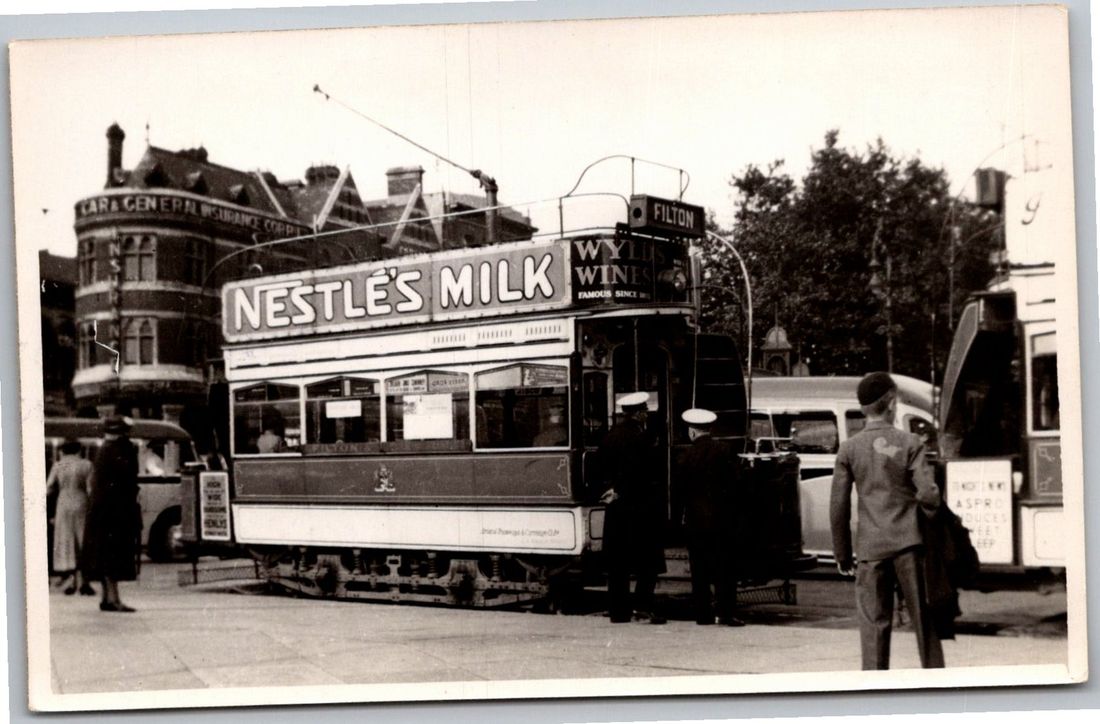
📸 Click any thumbnail to inspect Front, Back & Angles (2 Photos)
🔗 Embed / Cite This Archival Image (Free with Attribution)Get HTML Code
© USA RESELL. Bloggers, historians, and website owners may embed this image for free by copying the HTML code below (which includes the required credit link back to this page):
USA RESELL is a living historical archive. Because original artifacts are one-of-a-kind and source records change rapidly, use the button above to check live marketplace availability or locate surviving examples. As an eBay Partner, we may earn a commission on qualifying purchases.
Item Specifications
- City: Bristol
- State: Unspecified
- Country: United Kingdom
- Era: Vintage (1930s)
- Subject: Electric Tram Streetcar Nestles Milk Advertising
- Theme: Transportation
- Category: Vintage Photography
- Format / Type: Vintage Photographs
Historical Context & Overview
1930s Municipal Transit: The Bristol Tramways Electric Streetcar
This original black-and-white snapshot captures a slice of pre-war British urban transportation history: a double-decker electric tram operated by the Bristol Tramways & Carriage Co. Ltd. Taken circa 1935, the photograph depicts the vehicle stationed on its route with a destination board clearly indicating Filton. The image illustrates the complex overhead trolley pole assembly, open-top deck railings, and detailed undercarriage trucks characteristic of 1930s UK municipal streetcars.
Period Commercial Advertising & Architecture
Prominently mounted along the upper deck side panels are bold period advertisements for famous British consumer brands, including Nestle's Milk and Wyllie Wines ("Famous Since 1890"). In the background, the ornate facade of the Car & General Insurance Corp. Ltd. building adds rich architectural context to the scene, along with bystanders in classic 1930s attire and uniformed tram operators standing beside the vehicle.
Archival Details & Collector Significance
Measuring approximately 5.4 by 3.5 inches, this original glossy snapshot print features a completely plain, unprinted back, confirming it as a photograph rather than a commercial photograph publication. The reverse bears a pencil notation reading "BRISTOL" alongside a neat vintage collector stamp: "E. S. HOOPLE, 34 ARGOS ROAD, LIVERPOOL 20, LANCASHIRE, ENGLAND." Preserved with sharp contrast and minimal age wear, this historical print serves as an exceptional visual record of England's early streetcar network prior to the widespread transition to motor buses.
The Filton Route & Bristol’s Transit Evolution
The destination indicator showing Filton holds significant historical relevance, as this northern suburb rapidly evolved during the interwar years into a vital hub for British aerospace and industrial manufacturing. Bristol Tramways & Carriage Co. Ltd. operated one of the most extensive electric streetcar systems in South West England, serving thousands of daily commuters. However, the system's operational lifespan ended abruptly during World War II when Luftwaffe bombings destroyed the central power station at St. Philip's in 1941, forcing an immediate and permanent transition to diesel buses across the city.
Gelatin-Silver Craft & Collector Provenance
Rendered via the classic gelatin-silver process of the 1930s, the photograph displays a rich tonal gradation ranging from deep shadow blacks along the iron undercarriage to brilliant highlights across the upper deck. The subtle silvering observed near the outer margins is a natural chemical oxidation process typical of vintage silver halide emulsions, offering tangible physical proof of its age and authentic photographic manufacture. This crisp clarity preserves minute textures, such as the rivet placement on the tram bodywork and the woven pattern of operator uniforms.
The inclusion of the E. S. Hoople provenance stamp connects this individual print to a broader mid-century network of dedicated British transport archivists who meticulously documented regional streetcar systems prior to their eventual dismantling. Original candid snapshots from this era provide transport historians and regional collectors with an invaluable visual baseline, capturing everyday municipal infrastructure, commercial typography, and urban street life in pre-war Great Britain with unposed authenticity.